Loading…
Loading progress
Use the printable handout and keep the public thread available
If the Skool group is blocked logged out, keep moving with the checked public thread instead of stopping on the printable page.
handout_detail_live_thread school-day-snack-gap-what-breaks-first

Adaptation block control
Altitude Advantage
Nutrition
Use food and hydration to support adaptation at elevation instead of letting the first week become an underfueled grind.
Day one hydrationCarbs visibleIron awarenessEasy first days
Hydration bump
Day one
Carbs stay visible
Week
Know history
Iron
Adjust early
Pacing
Altitude advantage system
Altitude creates a bigger daily systems problem than many athletes expect: thirst mismatch, extra breathing loss, higher carb pressure, and sometimes an iron story running underneath it all.


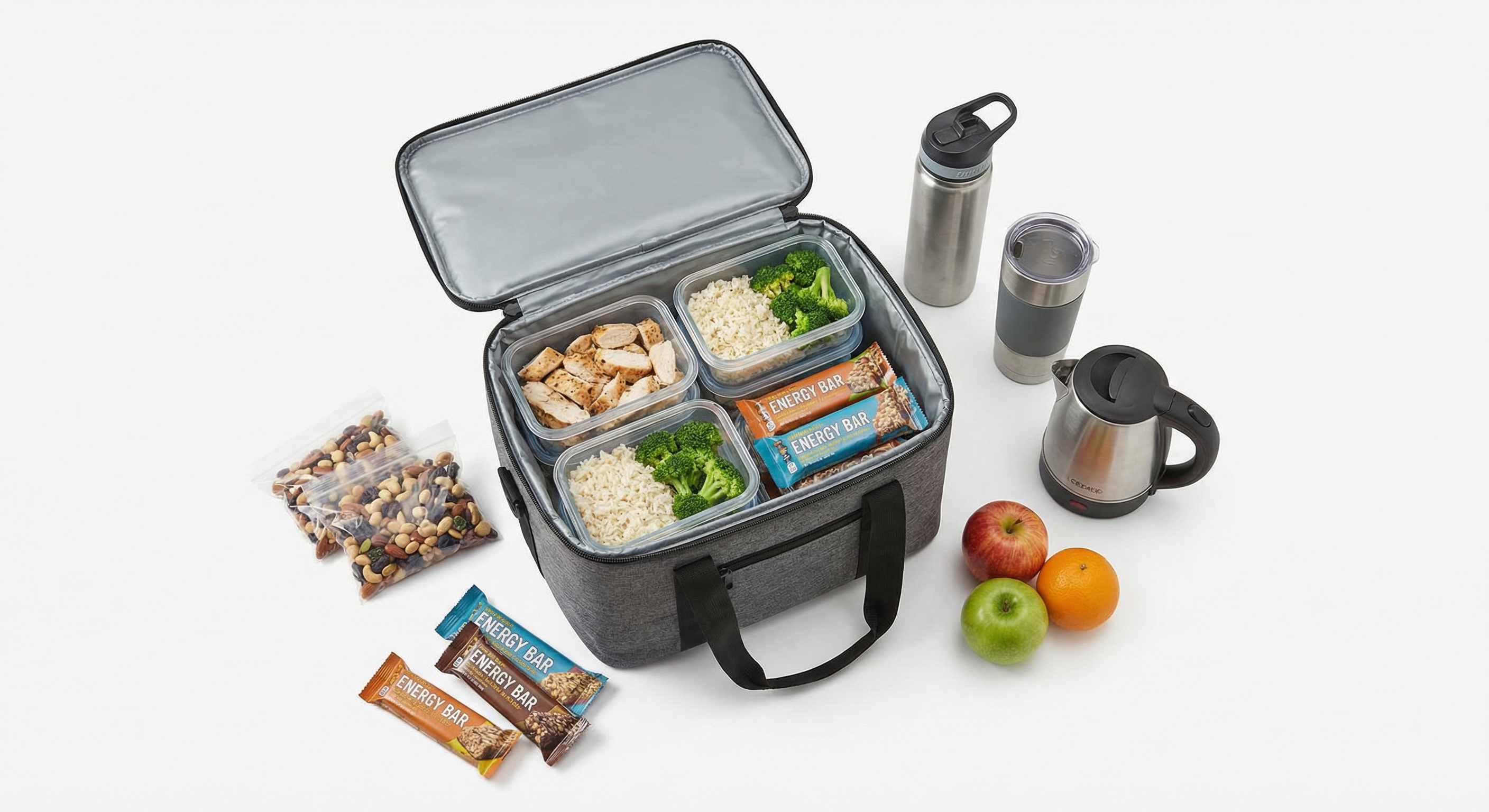

Altitude checklist
Daily fluid bump is assigned and repeated
Carbs are visible at breakfast, practice, and recovery
Iron risk history is known before the block starts
The first week allows adaptation instead of forcing hero workouts
Sleep and recovery standards get tighter, not looser
Altitude mistakes
Altitude rarely rewards the athlete who treats it like sea level plus vibes.Fatigue at altitude is not always just a toughness issue.Hydration and carbs usually need attention before supplements do.
The fastest way to waste altitude is to treat it like a normal week with mountain scenery.
Need more family support?
Scan to join the free Aspire Runner Fueling Lab.
https://aspireperformancerd.com/runner-fueling-lab?source=handout-altitude-advantage-nutrition-print