Loading…
Loading progress
Use the printable handout and keep the public thread available
If the Skool group is blocked logged out, keep moving with the checked public thread instead of stopping on the printable page.
handout_detail_live_thread school-day-snack-gap-what-breaks-first
Altitude race-week shift
Altitude Race
Adjustments
At elevation, athletes usually need more carbs, earlier hydration, and a travel plan that does not leave fueling to chance.
Travel dayCarbs upHydrate earlierIron context
More visible
Carbs
Start earlier
Fluids
Pack first
Travel
Know risk
Iron
Altitude race-week shifts
At elevation the smartest move is not exotic. It is earlier hydration, steadier carbohydrate intake, and a travel day that protects both before appetite drops.
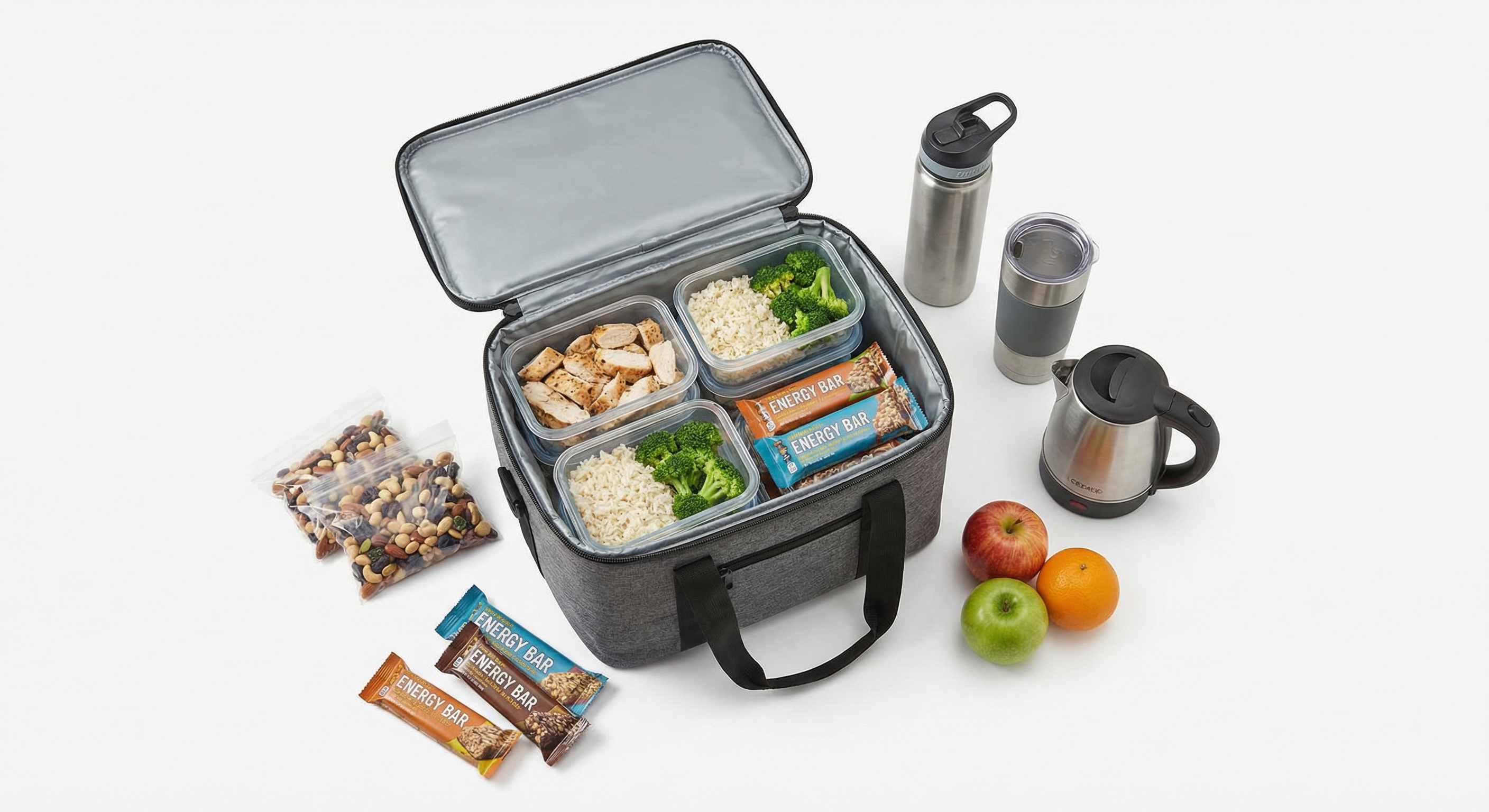

Travel-day checklist
Travel day
pack breakfast, snacks, bottles, and drinkable carbs before departure
Arrival
start fluid and sodium before the athlete feels behind
Race week
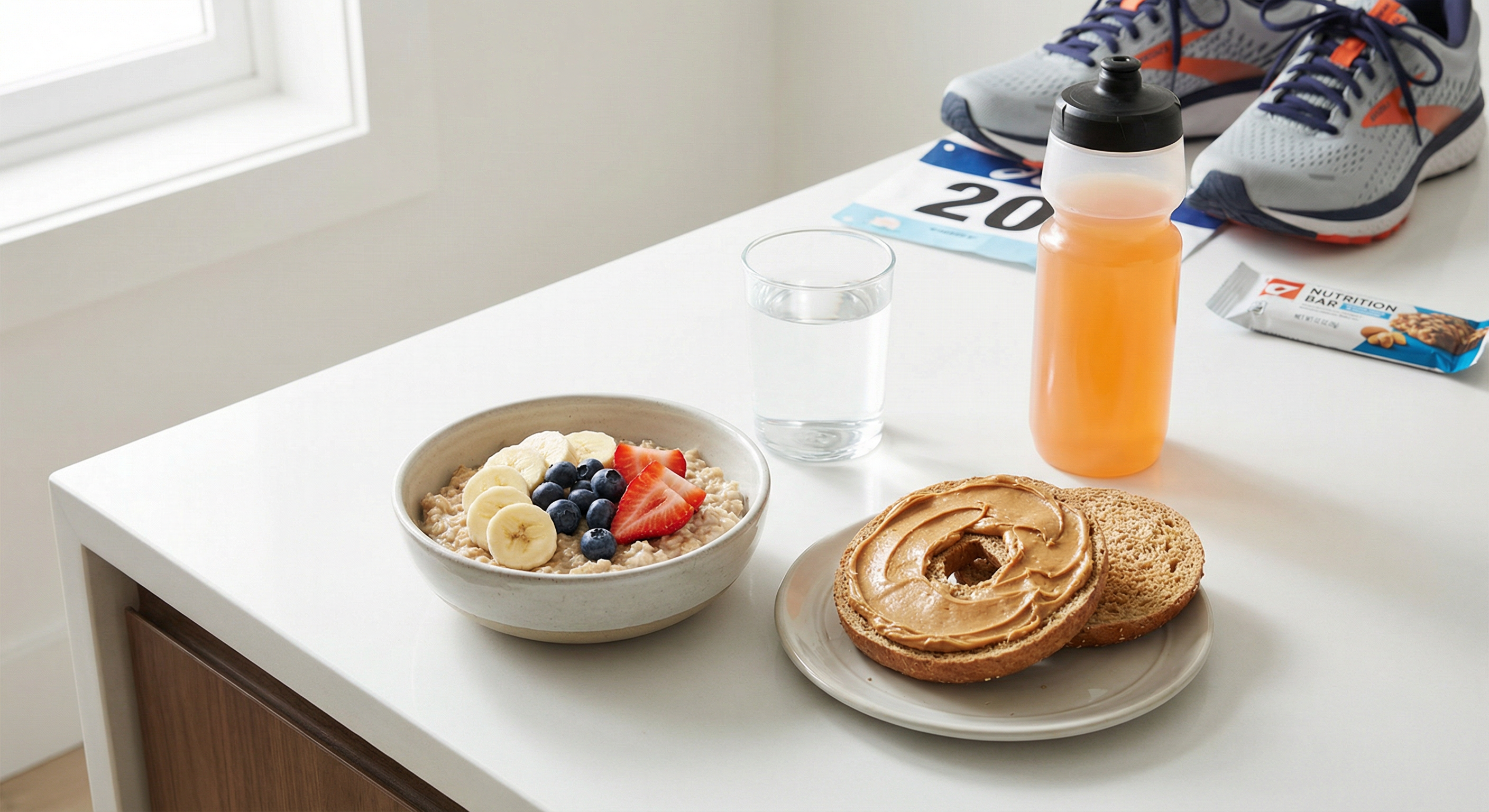
keep carbs visible even if appetite slips
Iron risk
identify low-store concerns before leaving home
Dinner and breakfast
use familiar food, not hotel or venue guesswork
What altitude punishes
Cool air can still produce meaningful hydration loss when it is dry and breathing rate stays high.Altitude does not cancel fueling. It usually means the athlete needs simpler, earlier intake.Championship travel week is too late to discover an iron problem by accident.
Put food and fluid checkpoints directly into the travel plan so altitude does not turn logistics into underfueling.
Need more family support?
Scan to join the free Aspire Runner Fueling Lab.
https://aspireperformancerd.com/runner-fueling-lab?source=handout-altitude-race-adjustments-print