Loading…
Loading progress
Use the printable handout and keep the public thread available
If the Skool group is blocked logged out, keep moving with the checked public thread instead of stopping on the printable page.
handout_detail_live_thread school-day-snack-gap-what-breaks-first
Short-sprint caffeine guide
Caffeine for
100/200
Short sprinters may use caffeine, but the useful version is calm, tested, and small enough that the athlete still feels sharp instead of jittery or flat.
For 100m and 200m athletes deciding whether caffeine actually helps their race plan
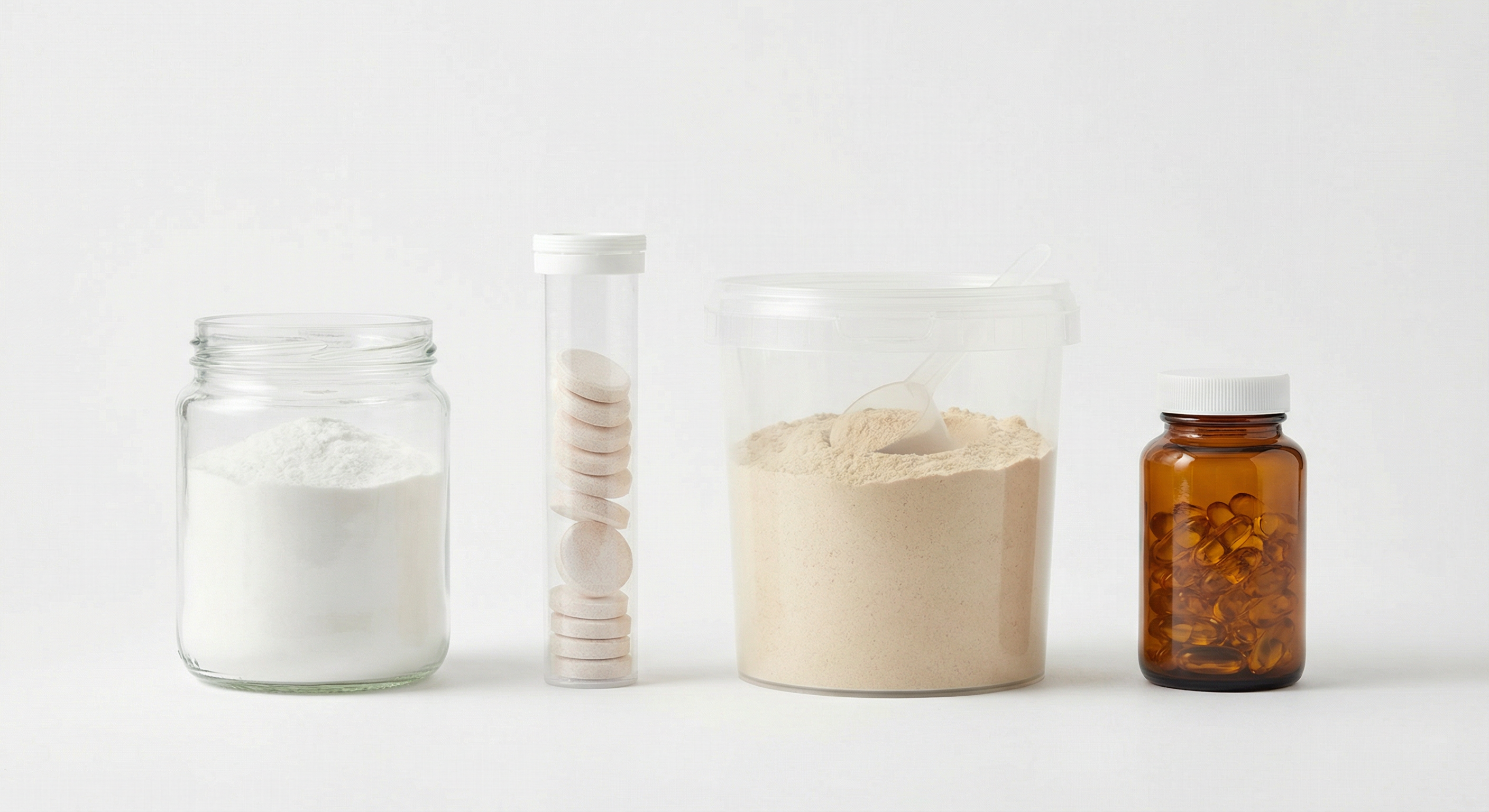
Caffeine only helps a short sprinter when it sharpens the plan instead of overwhelming it.
Keep the amount honest
- Short sprinters usually do not need a dramatic amount to notice a difference.
- More stimulant does not support a better start or better curve running.
- Too much usually shows up as shakiness, tension, or a poor feel.
For 100m and 200m athletes, caffeine only works when it stays smaller than the race routine itself.
Food still matters
- The athlete still needs breakfast or a small top-off because caffeine is not fuel.
- A stimulant on an empty tank often creates fake confidence and weak actual support.
- Hydration still matters too, especially in hot meets.
Test before racing
- If the athlete has never tried caffeine in a training or rehearsal setting, the meet is not the right place to guess.
- The best trial checks nerves, warm-up feel, and how the athlete actually runs.
- A calm race routine usually matters more than a flashy pre-race product.
Sprint-caffeine reminders
- Small and tested usually beats big and exciting.
- Caffeine is not breakfast.
- Sharp is the goal, not wired.
Next action
Need more family support?
Scan to join the free Aspire Runner Fueling Lab.
https://aspireperformancerd.com/runner-fueling-lab?source=handout-caffeine-strategies-for-the-100m200m-print