Bone Is Still Being Built During the Years Many Runners Start Training Hard
- Adolescence builds future resilience, not just injury avoidance.
- Bone needs energy, calcium, vitamin D, and hormones to use impact.
Loading…
Aspire Female Athlete Health
Adolescence is a bone-building window. Enough food, calcium-rich meals, and a fast handoff when a bone complains protect it.
Adolescent runners are still building bone. Reliable food access supports that process, and the first suspected bone-stress concern goes to the family and physician.
Bone protection is enough food now, and a fast handoff the first time a bone complains.
Do this:
Try this week: Add one calcium food to a meal that usually has none, like milk with dinner.
Not true: shin pain is just part of running. One-spot pain gets checked before more running.
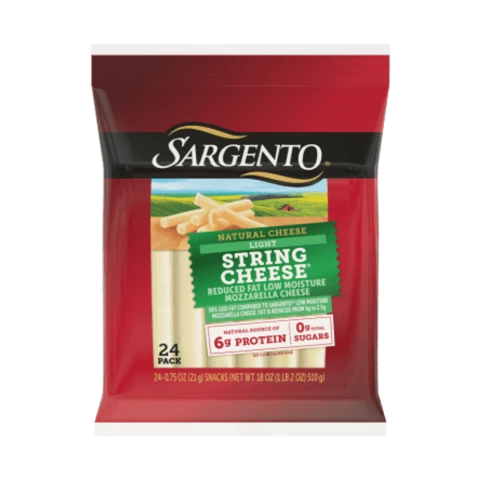
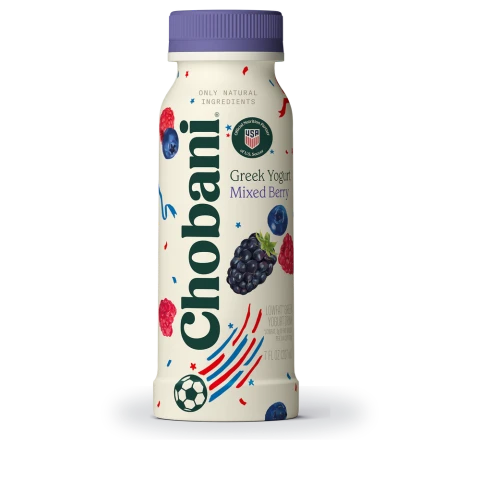
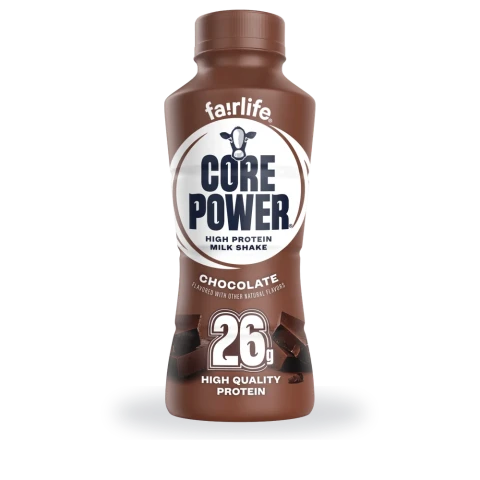
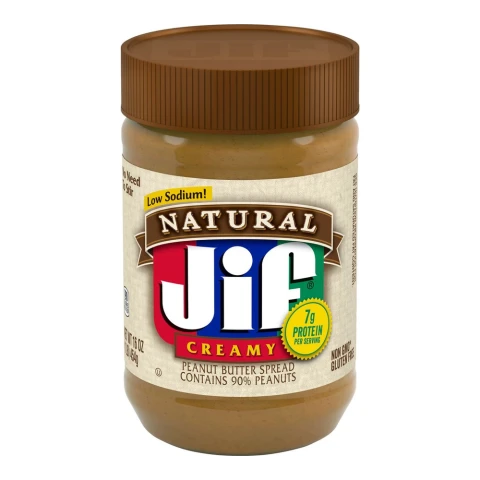
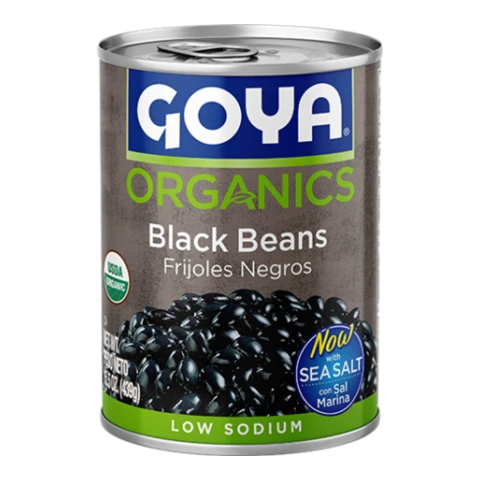
Start with the food category. Tap a package for one recognizable brand example, then swap within the category for access, tolerance, culture, budget, and allergens.


| Serving | Where It Fits | Swap if Dairy Is Out |
|---|---|---|
| Milk on cereal or with dinner | Breakfast, dinner | Fortified soy or oat milk |
| Yogurt cup or yogurt bowl | Breakfast, after practice | Fortified plant yogurt |
| Cheese on a sandwich or pasta | Lunch, dinner | Tofu set with calcium, fortified juice |
| Chocolate milk after a run | Recovery | Fortified chocolate soy milk |
Much of adult bone mass is built during the teen years, and bone only turns impact into strength when energy, calcium, vitamin D, and normal hormones are present.
A training jump without a matching rise in intake pushes the body to save energy, and bone building is among the first things it turns down.
Focal bone pain, pain walking, or night pain is a physician's question, not a training-load puzzle; hip, groin, shin, foot, pelvis, or low-back pain gets same-day review.
Built by an RD who coaches · Luke Rodriguez, MS, RDN · Palmer Ridge HS XCPaired coach action guide
Open the matching five-part guide for observable signs, a conversation script, green-yellow-red decisions, implementation steps, follow-up, and referral boundaries.
When to use this
When a growing runner has bone pain, a training jump, or a stress-fracture history and the family asks what food can do.
Finish before you close this page
Assign one owner, one due date, and one visible completion check for the team task.
Done looks like: The task is assigned and staff know how they will verify it happened.
Advanced lab
The Dietary Reference Intakes put ages 9-18 at 1,300 mg per day of calcium, but this handout stays in the food-access lane. Testing, supplements, diagnosis, and return decisions belong to the physician.
Bone pain or a private health change needs family and physician follow-up, and the fueling plan may need a sports dietitian. Whether to test, image, supplement, diagnose, or clear return is the physician's call. Coaches do not collect cycle histories, food logs, body metrics, or lab results.
Where to go next
From one handout to a repeatable team system
Coach: Open the matching week, deliver the team talk, assign the staff owner, and verify the written action.
Family: Send the editable family message, share the handout, and keep the same next action visible in the family portal.