The Can Is Rarely the Real Solution to Low Energy
- Most athletes are tired because food, sleep, or hydration is off.
- Pre-workout habits often hide an under-fueled school day.
Loading…
Aspire Team Policy
For most teams, the safest evidence-based stance is food first and no casual stimulant use around training.
Energy drinks and pre-workout products create more problems than solutions in most school and team settings because dose, ingredients, sleep effects, and empty-stomach use are hard to control.
Most athletes need a better snack plan, not a stronger can.
Do this:
Try this week: For one week, fix tired with a snack, water, and an earlier bedtime, not a can.
Not true: an energy drink makes you faster. It makes practice feel louder, not better.
Do these three things this week:
Start with the food category. Tap a package for one recognizable brand example, then swap within the category for access, tolerance, culture, budget, and allergens.
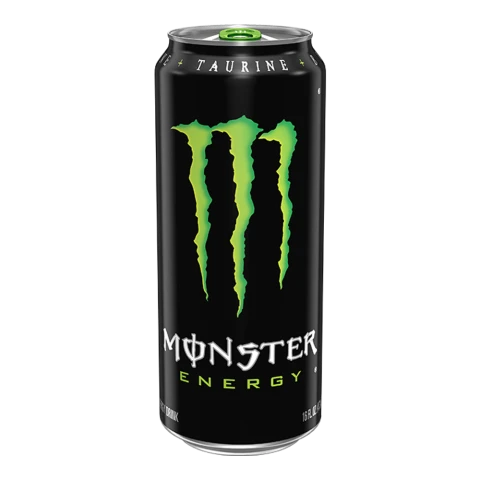

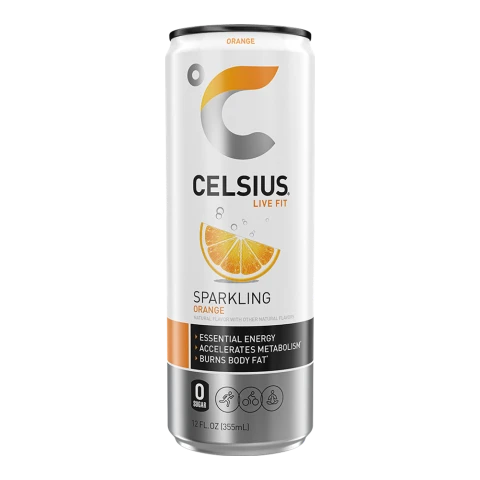
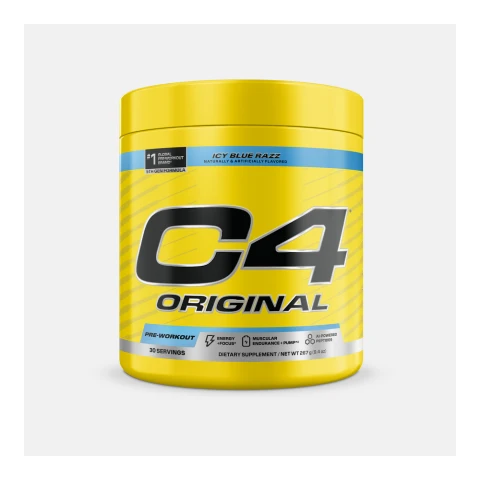
Afternoon fatigue in a high schooler is usually an empty tank: lunch was early or thin, so blood sugar and muscle glycogen are low by the time practice starts.
A stimulant masks that signal without fixing it; the dose in a can or scoop is often unclear, and the performance research behind it is adult research.
Afternoon caffeine can still be active at bedtime, and shorter, lighter sleep slows recovery, which is why the flat day repeats.
Built by an RD who coaches · Luke Rodriguez, MS, RDN · Palmer Ridge HS XCXC core module 8 of 8
Energy drinks, pre-workout powders, or supplement questions show up around the team.
Coach script
“A stronger can does not repair an empty school day or a short night. We identify the product, check the label, and involve an adult before it becomes part of the routine.”
Identify whether the product is a sports drink, energy drink, or supplement.
Read the current label with a parent, athletic trainer, pharmacist, physician, or sports dietitian.
Fix the missing meal, snack, fluid, or sleep opportunity before chasing a stimulant solution.
Ask the team
What problem is the product supposed to solve—and what ordinary habit is missing first?
Message for parents
Ask to see the exact package and current label. Keep the conversation about sleep, food, hydration, medications, and safety rather than shame or punishment.
Safety boundary: Individual caffeine, medication, supplement, or adverse-symptom questions belong with a qualified healthcare professional.
Paired coach action guide
Open the matching five-part guide for observable signs, a conversation script, green-yellow-red decisions, implementation steps, follow-up, and referral boundaries.
Finish before you close this page
Assign one owner, one due date, and one visible completion check for the team task.
Done looks like: The task is assigned and staff know how they will verify it happened.
Advanced lab
The sheet sets the team norm. What to look for on a can or tub, and how to hold the line without losing the athlete, is here.
For athletes under 18 the default on energy drinks and pre-workout is no. Frequent use, use on an empty stomach, or use tied to body goals should go to the family, the athlete's physician, and a sports dietitian.
Where to go next
From one handout to a repeatable team system
Coach: Open the matching week, deliver the team talk, assign the staff owner, and verify the written action.
Family: Send the editable family message, share the handout, and keep the same next action visible in the family portal.