Aspire guide
Female Athletes
Female Athletes manual
Bone Mineral Accumulation: Preventing Stress Fractures in Adolescent Runners
An evidence-based deep dive into calcium, Vitamin D3, and energy availability to maximize bone density and prevent stress fractures during adolescence.
Why this matters
An evidence-based deep dive into calcium, Vitamin D3, and energy availability to maximize bone density and prevent stress fractures during adolescence.
Read time
7 min
Audience
Coach + Parent + Athlete
Use it for
Female Athletes
Start here
Bone protection is enough food now, and a fast handoff the first time a bone complains.
Coach prompt
Who on your roster is on their second bone injury, and has anyone actually sent them to a physician?
Print & share
Printable handout preview
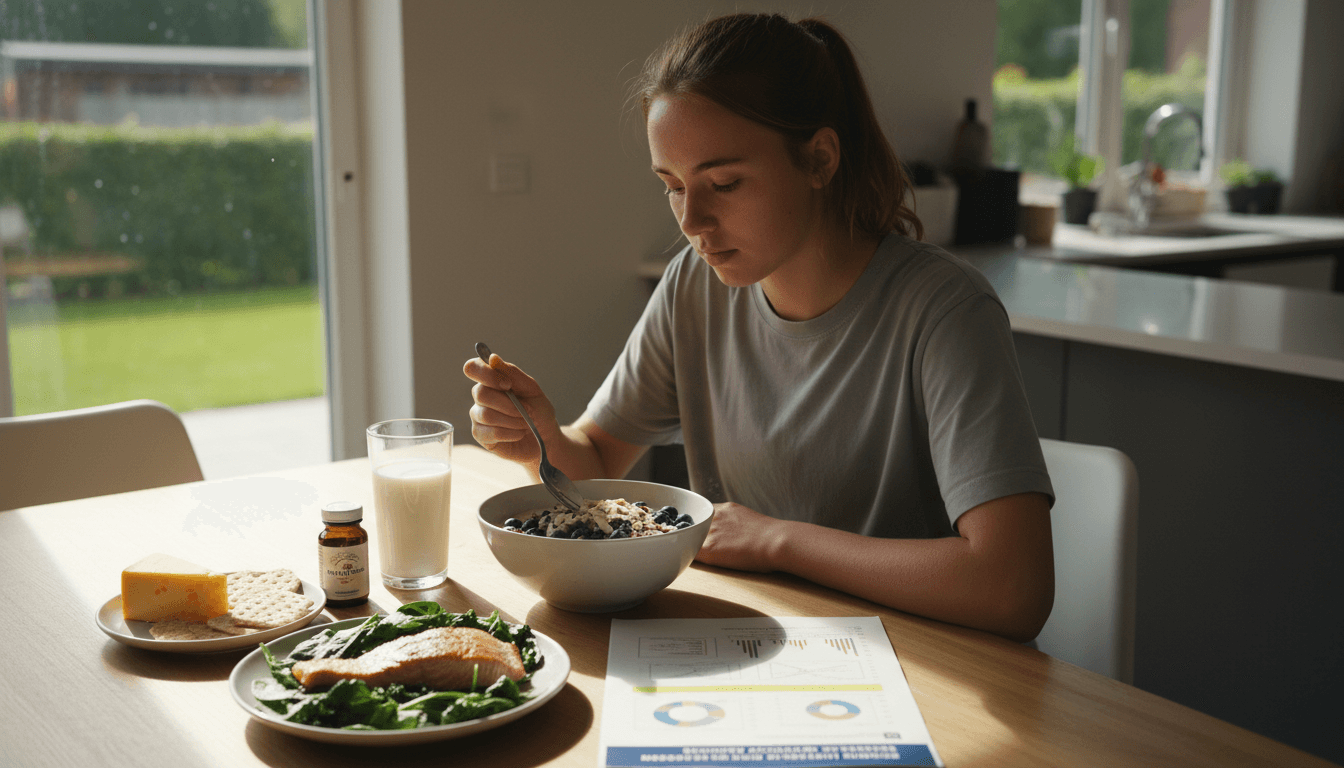
One-page sheet
Bone Mineral Accumulation: Preventing Stress Fractures in Adolescent Runners
Read time
7 min
Audience
Coach + Parent + Athlete
Start with the printable
Bone protection is enough food now, and a fast handoff the first time a bone complains.
Best next move
Use it this week
Who on your roster is on their second bone injury, and has anyone actually sent them to a physician?
Quick reference map
Use the guide like a structured handout
Protocol
Start here
Jump to this section and use it like a coaching quick reference.
Overview
What Coaches and Parents Need To Know
Jump to this section and use it like a coaching quick reference.
Callout
What to watch before it becomes a crisis
Jump to this section and use it like a coaching quick reference.
Overview
What Actually Protects Bone
Jump to this section and use it like a coaching quick reference.
In the library
Format
Read the full ebook here, then jump to the one-page handout when you need the shareable version.
Best use
Open the sections you need, print the handout, then send both to coaches, parents, or athletes.
Quick start
Start here
An evidence-based deep dive into calcium, Vitamin D3, and energy availability to maximize bone density and prevent stress fractures during adolescence.

Peak window
Bone is still being built during the years many runners start training hard
- Adolescence is not just a time to avoid injury. It is a time to build future resilience.
- The body needs energy, calcium, vitamin D, and hormone support to use impact well.
Fuel first
Not eating enough for the training is usually the real bone problem
- Chronically low intake reduces hormone function and lowers the resources available for bone formation.
- An athlete can be committed, high-mileage, and still be eating less than the training asks for.
Daily nutrients
Calcium is a grocery number, and vitamin D is the physician's call
- The Dietary Reference Intakes put ages 9-18 at 1,300 mg per day of calcium from food — the highest of any life stage, with a ceiling of 3,000 mg per day.
- That is three or four servings, not a heroic effort: yogurt, plain, low fat (8 ounces) carries 415 mg, milk, nonfat (1 cup) carries 299 mg, mozzarella, part skim (1.5 ounces) carries 333 mg.
What Coaches and Parents Need To Know
- Peak bone mass is still being built during the teen years.
- Running can strengthen bone, but only when energy intake keeps up with training.
- Missed periods, repeated shin pain, or another stress fracture are not "normal runner stuff.
Watch for
What to watch before it becomes a crisis
Performance drop-offs, stress injuries, menstrual disruption, and persistent fatigue rarely show up as isolated issues.
- Under-fueling is often quieter than coaches expect.
- The best first move is usually a food-plus-screening conversation, not a supplement guess.
- Parents and coaches should hear the same short message.
What Actually Protects Bone
[!WARNING]
Recurrent stress fractures are a red flag for low energy availability and RED-S. Treat the reason the bone failed, not just the bone itself.
- Eat enough every day, not just on hard training days.
- Include calcium-rich foods at least 3 times daily.
- Raise vitamin D with the physician if the athlete has a stress-injury history, limited sun exposure, or a…
Coach line
[!WARNING]
Coach and Parent Checklist
Track 3 days of calcium intake.
Ask about menstrual regularity and recent fatigue.
Review any sudden mileage jumps, doubles, or extra workouts.
Make sure the athlete is eating after practice, not waiting until dinner.
When To Escalate
Pain that is pinpointed to one bone
Pain that worsens with running or hopping
A second stress fracture
Missed periods plus injury history
A runner who is getting "smaller" while training load increases
References
Institute of Medicine. Dietary Reference Intakes for Calcium and Vitamin D. Washington, DC: The…
National Institutes of Health, Office of Dietary Supplements. Calcium, and Vitamin D, Fact Sheets…
Holick MF, Binkley NC, Bischoff-Ferrari HA, et al. Evaluation, treatment, and prevention of…
Demay MB, Pittas AG, Bikle DD, et al. Vitamin D for the Prevention of Disease: An Endocrine…
Mountjoy M, Ackerman KE, Bailey DM, et al. IOC consensus statement on Relative Energy Deficiency…
Quick reference
Key targets to keep in view
Use these as planning anchors when you turn the manual into weekly actions.
Calcium
Daily, from food first
Treat this as a decision anchor, not a trivia stat.
Vitamin D
A physician tests and treats
Treat this as a decision anchor, not a trivia stat.
Biggest threat
Low energy availability
Treat this as a decision anchor, not a trivia stat.
Coach takeaways
Use this with athletes
These are the cues worth repeating before the week gets busy.
Build now
Adolescent bone gets built once. Enough food across these years is most of the strategy.
Food beats fear
Enough total intake protects bone better than tiny perfect meals.
No weigh-ins, no body-composition talk, and no calorie cutting for a growing runner.
Refer, do not diagnose
Second bone stress injury: refer. Hip, groin, front of shin, top of foot, pelvis or low back: same-day care.
Bone pain alongside cycle changes or a shrinking plate goes to a physician the same week — say all three at the visit.
What to do next
Use it this week
Who on your roster is on their second bone injury, and has anyone actually sent them to a physician?
Source topics
Institute of Medicine. Dietary Reference Intakes for Calcium and Vitamin D. Washington, DC: The National Academies Press; 2011. • National Institutes of Health, Office of Dietary Supplements. Calcium, and Vitamin D, Fact Sheets for Health Professionals. • Holick MF, Binkley NC, Bischoff-Ferrari HA, et al. Evaluation, treatment, and prevention of vitamin D deficiency: an Endocrine Society clinical practice guideline. J Clin Endocrinol Metab. 2011;96(7):1911-1930. • Demay MB, Pittas AG, Bikle DD, et al. Vitamin D for the Prevention of Disease: An Endocrine Society Clinical Practice Guideline. J Clin Endocrinol Metab. 2024;109(8):1907-1947. • Mountjoy M, Ackerman KE, Bailey DM, et al. IOC consensus statement on Relative Energy Deficiency in Sport (REDs): 2023 update. Br J Sports Med. 2023;57(17):1073-1097.