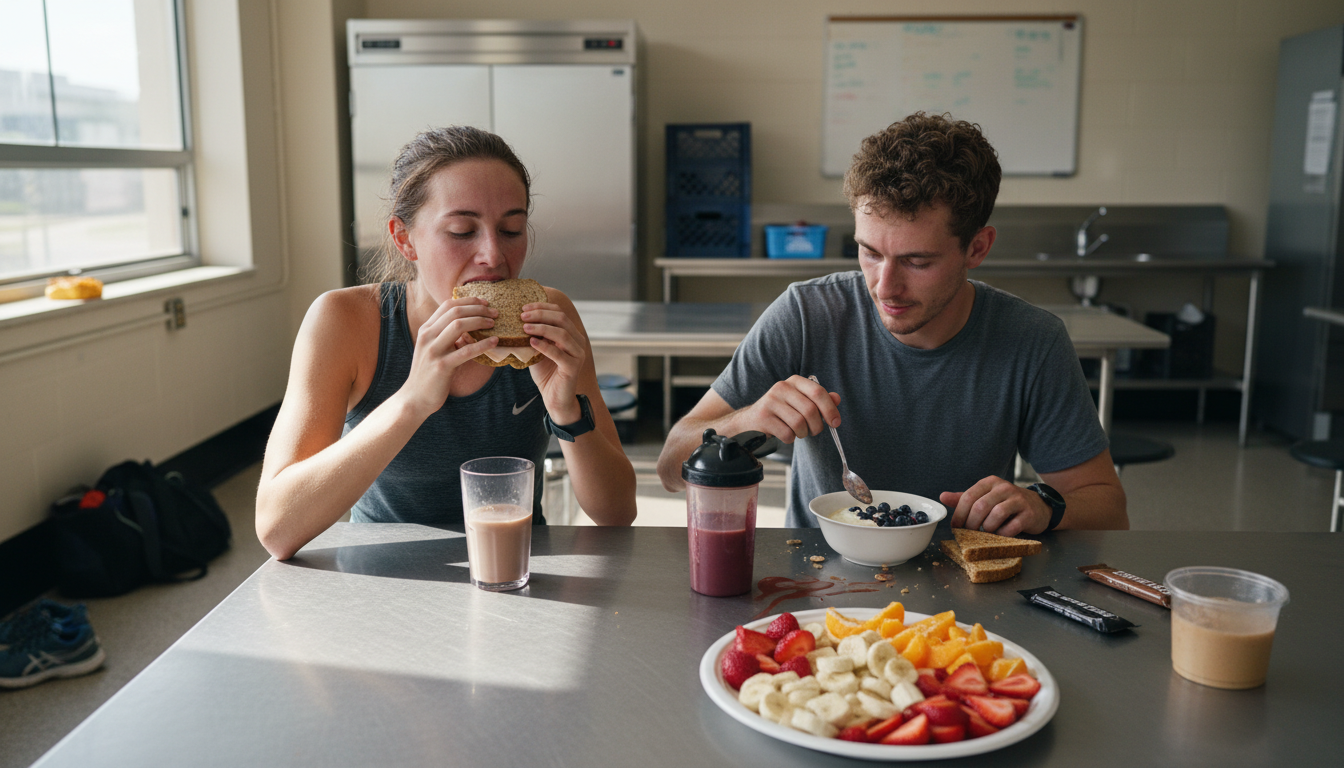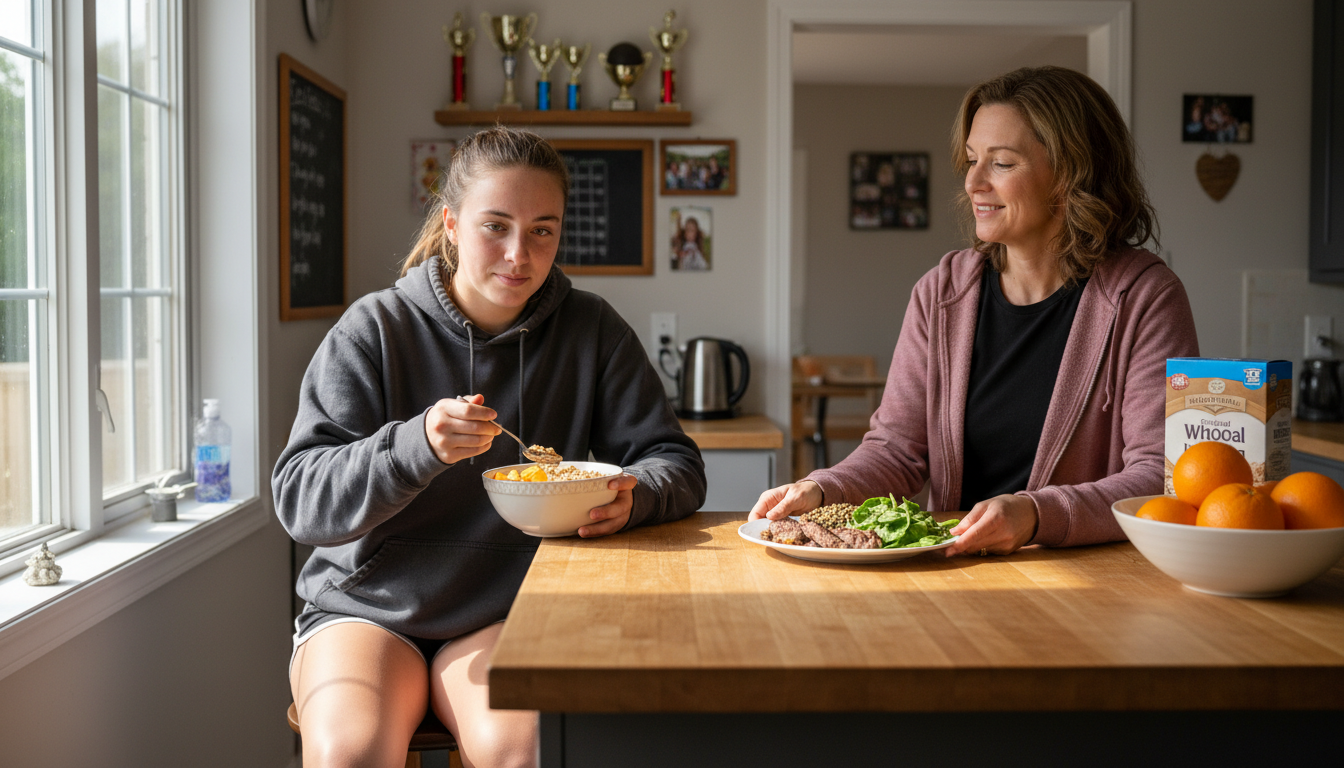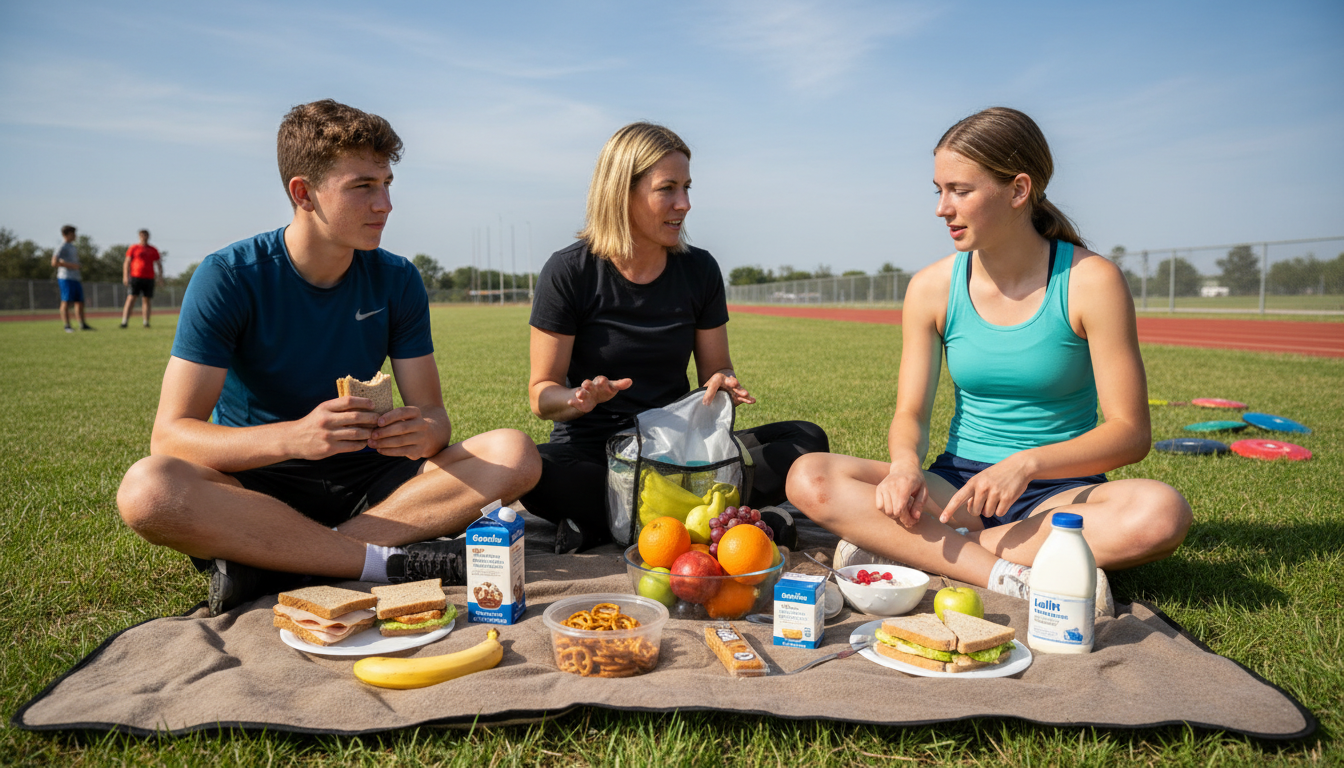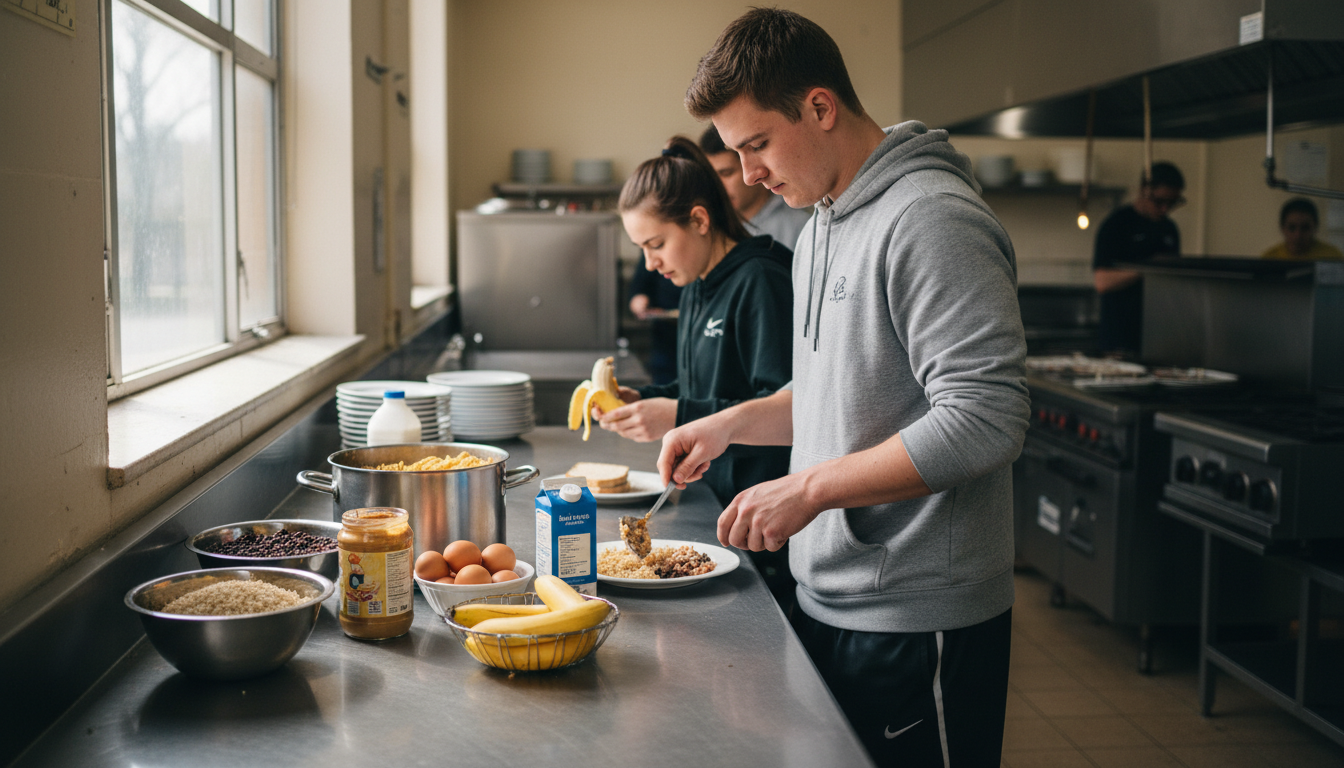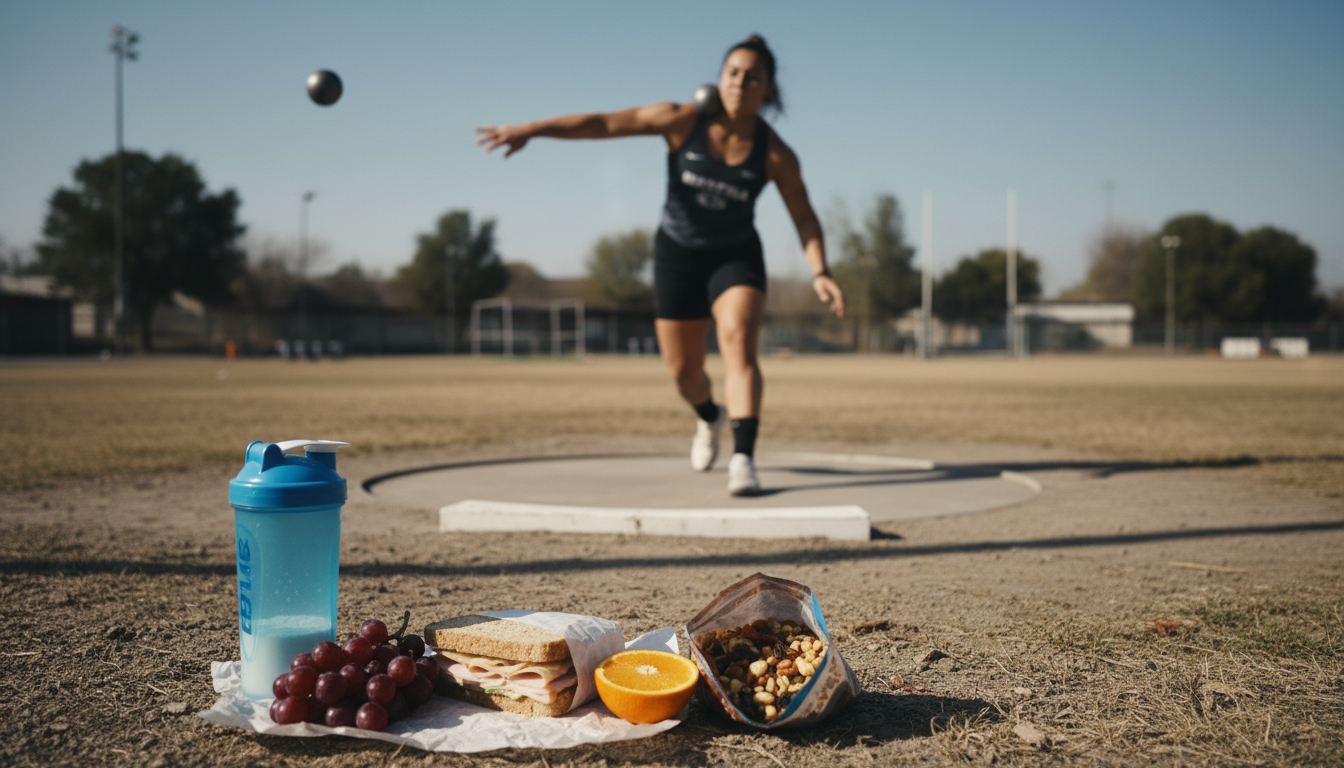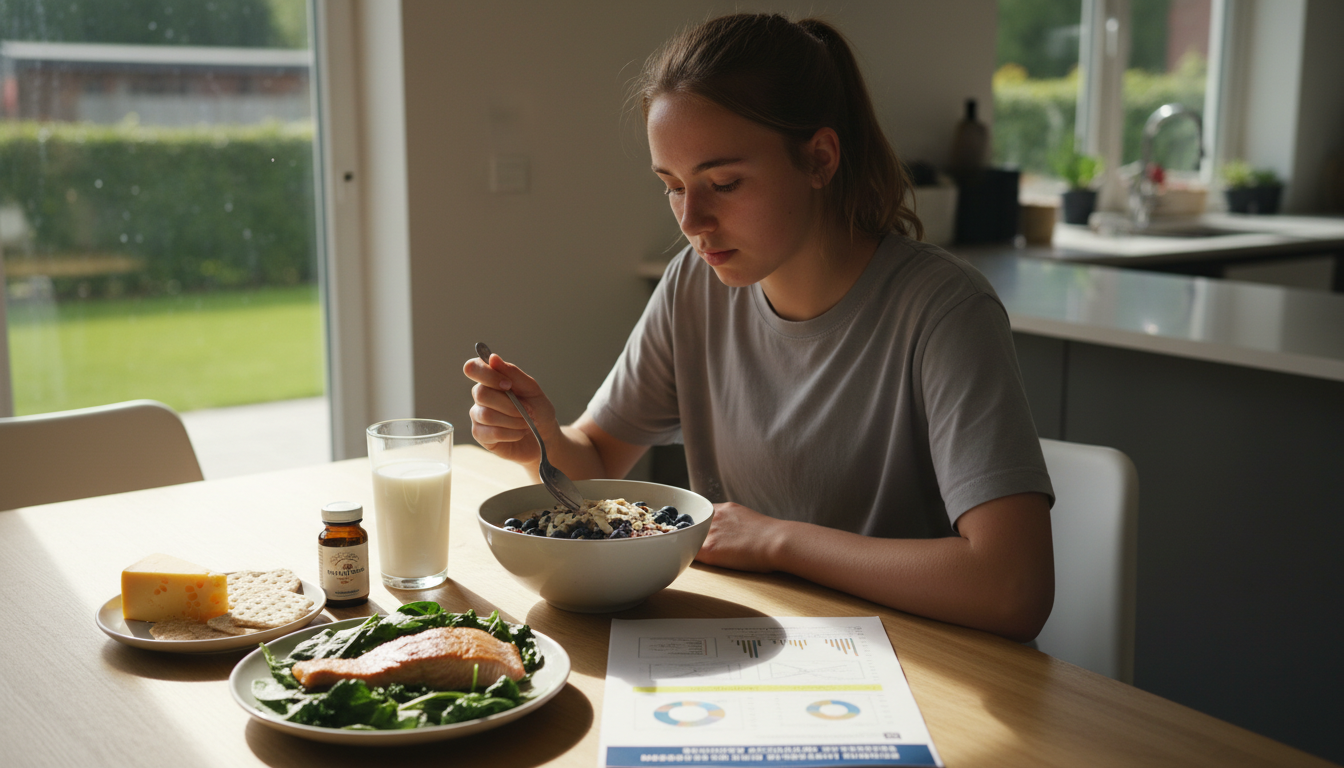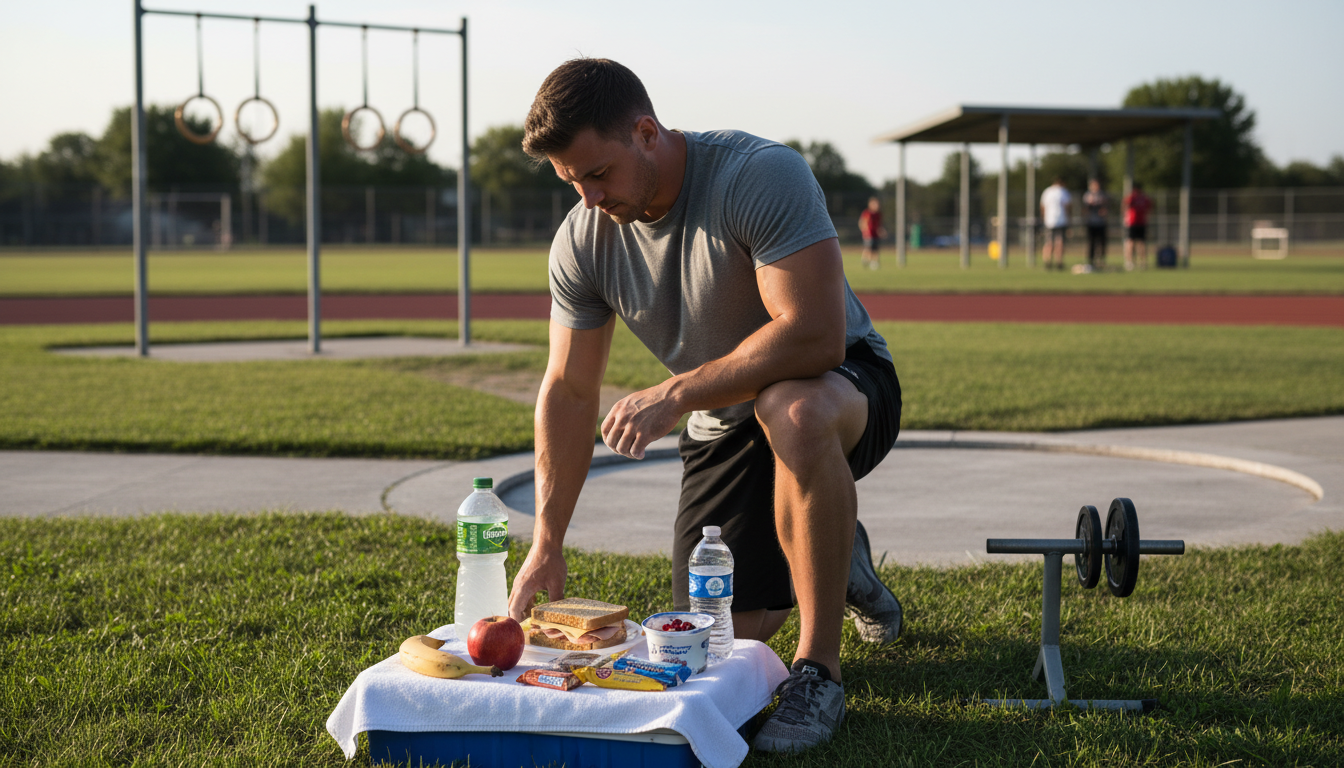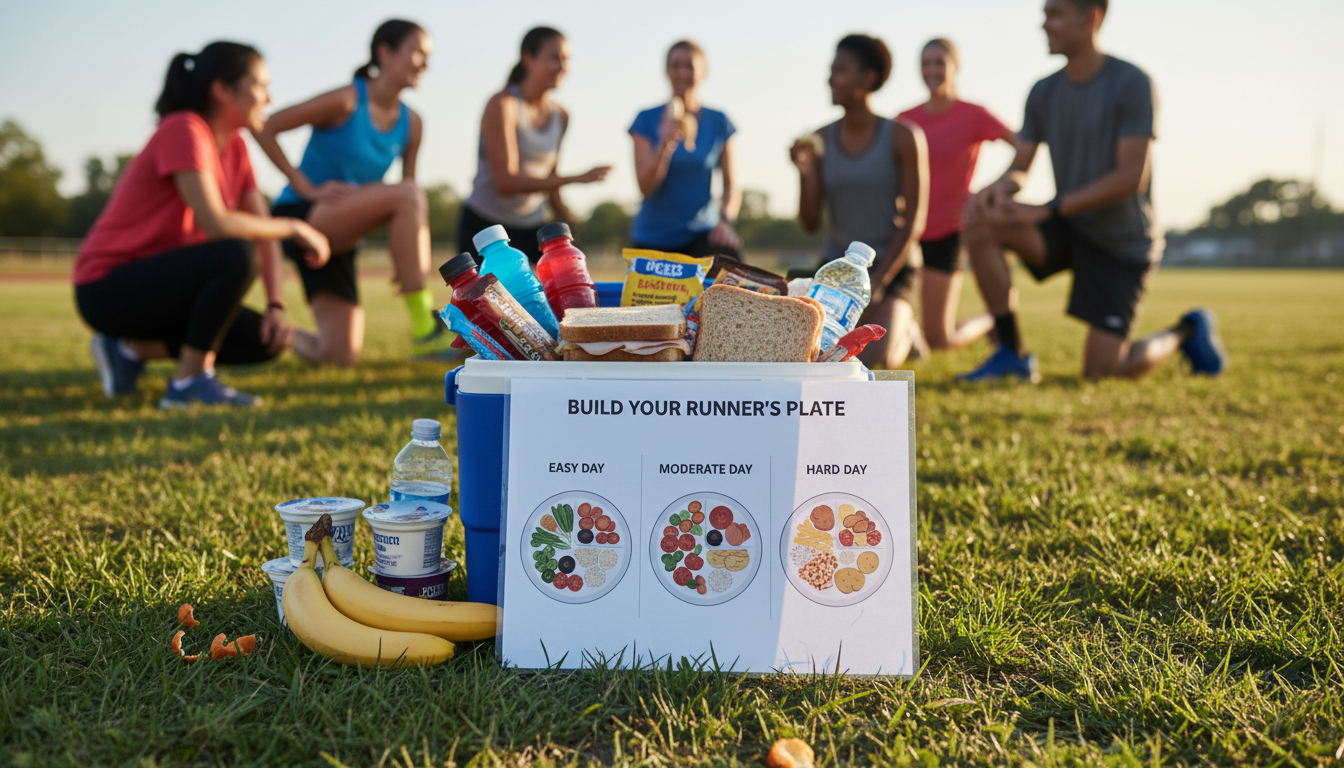
Build Your Runner's Plate
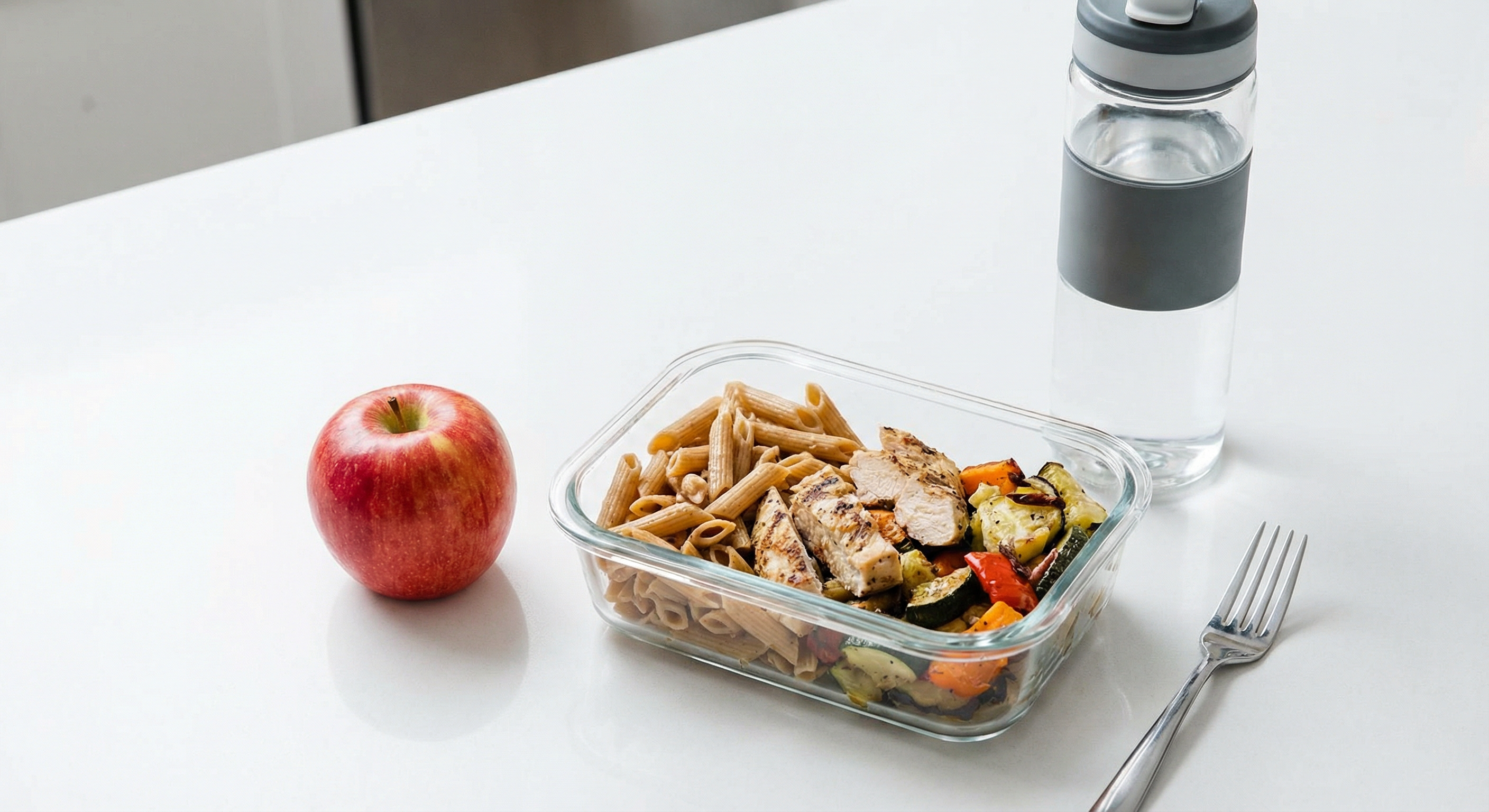
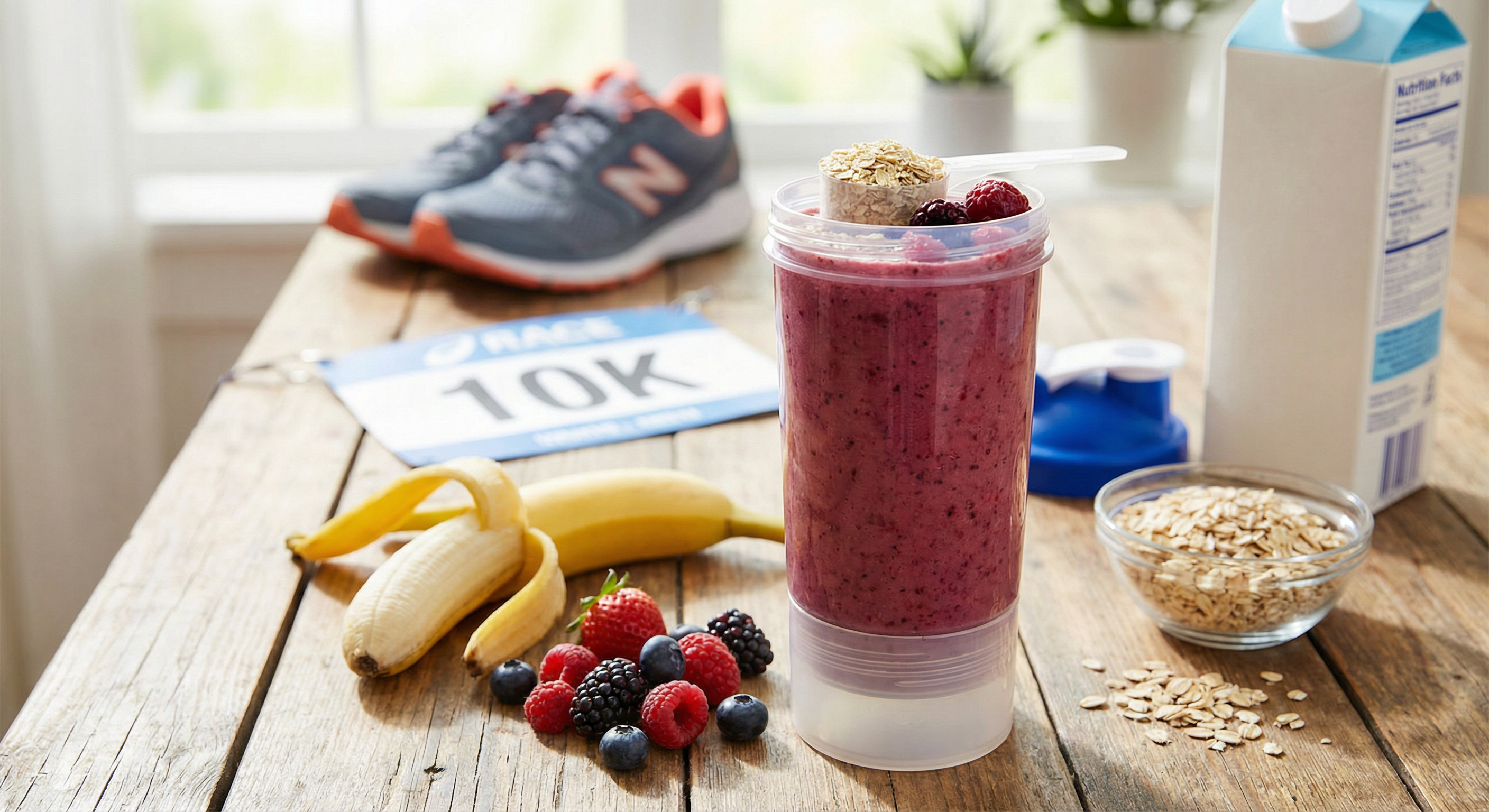
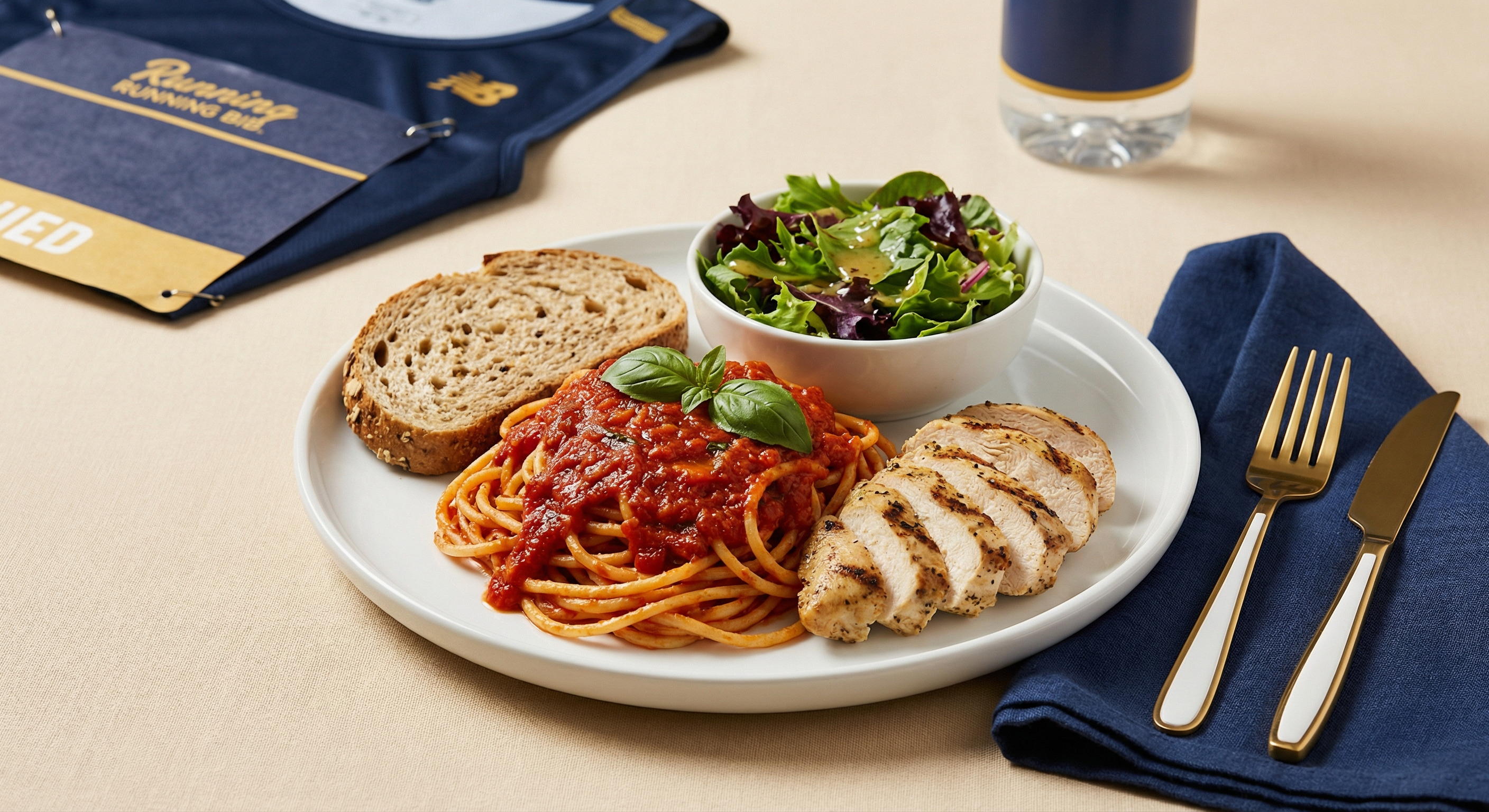
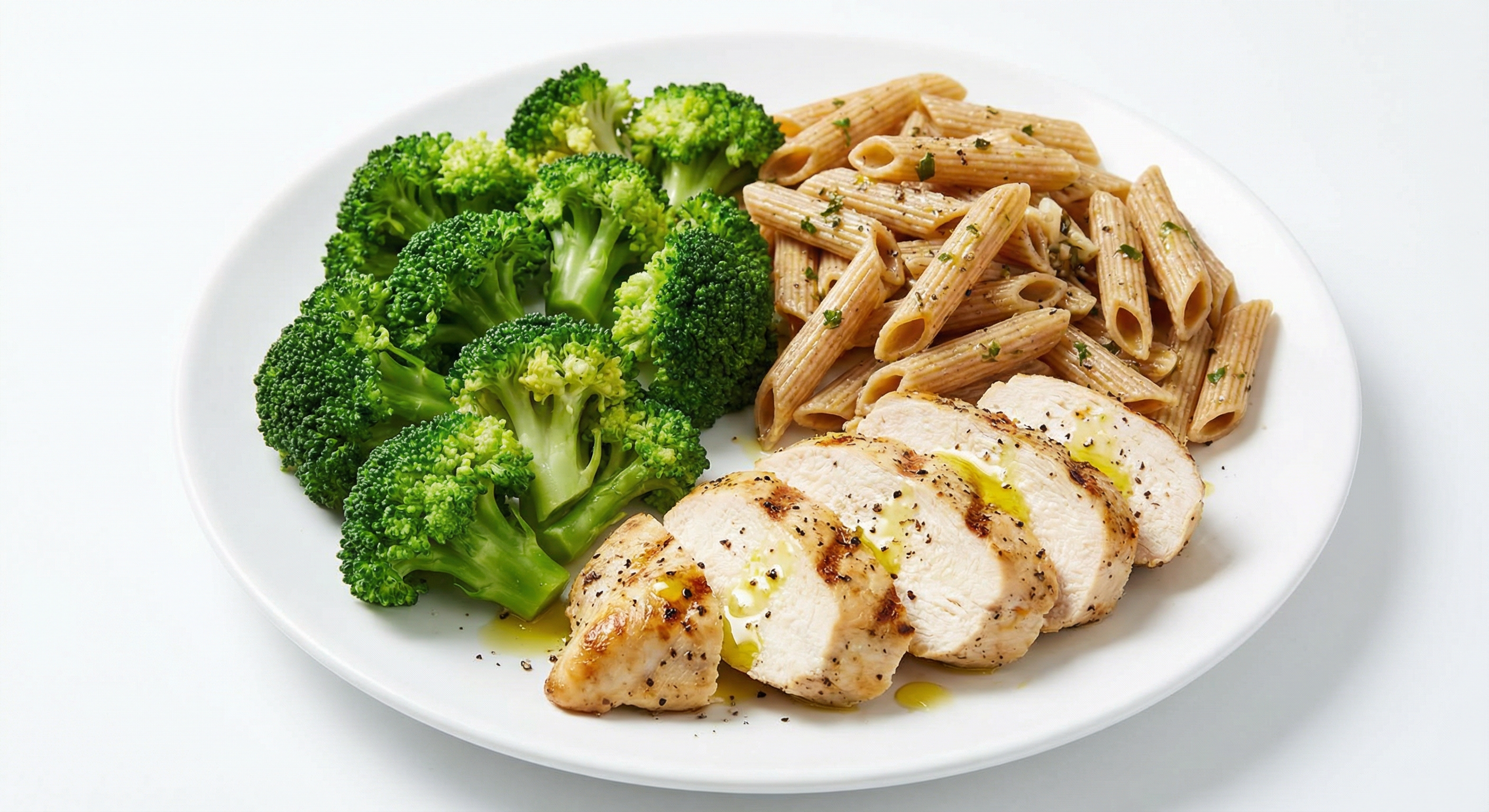
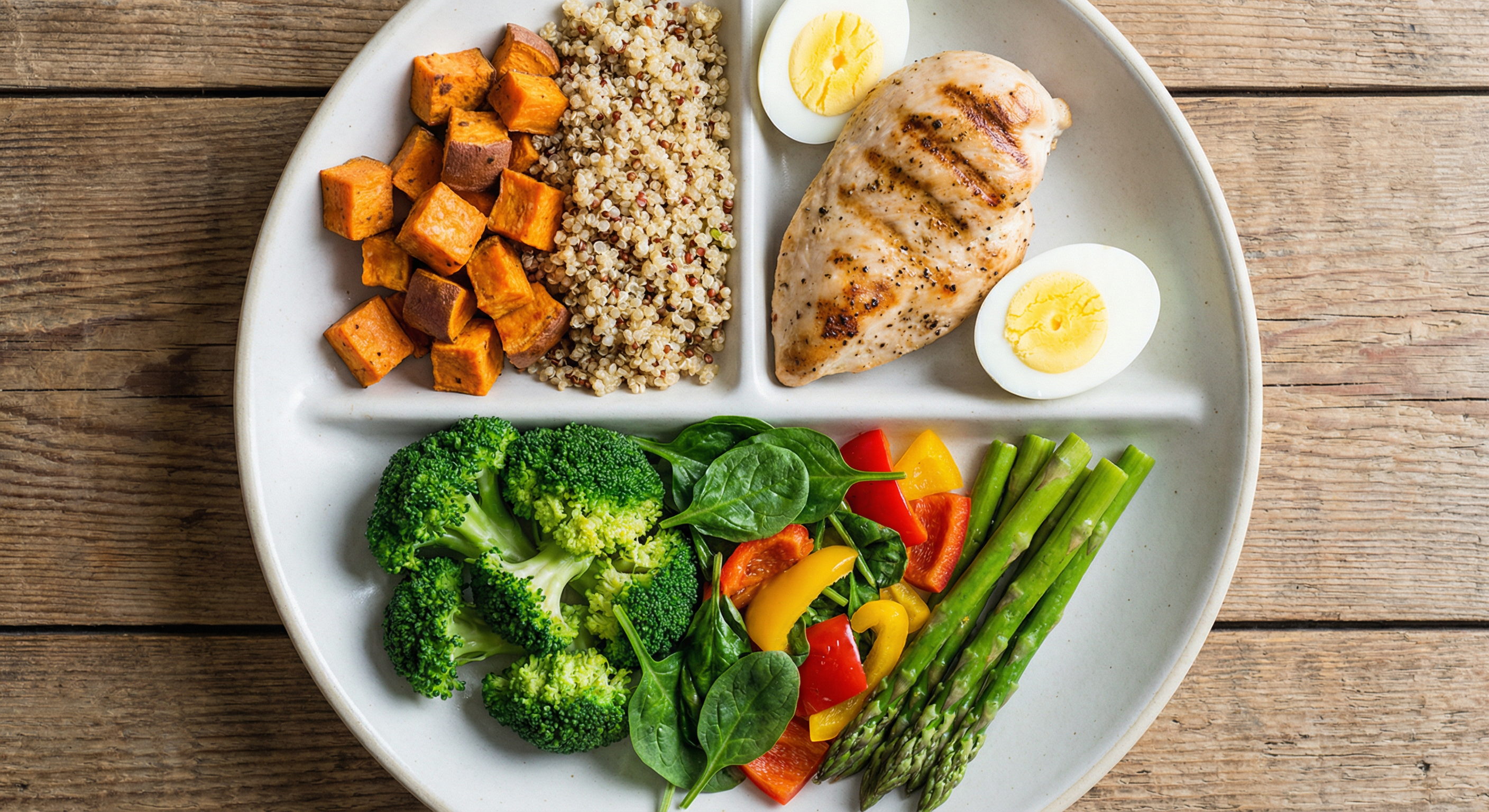
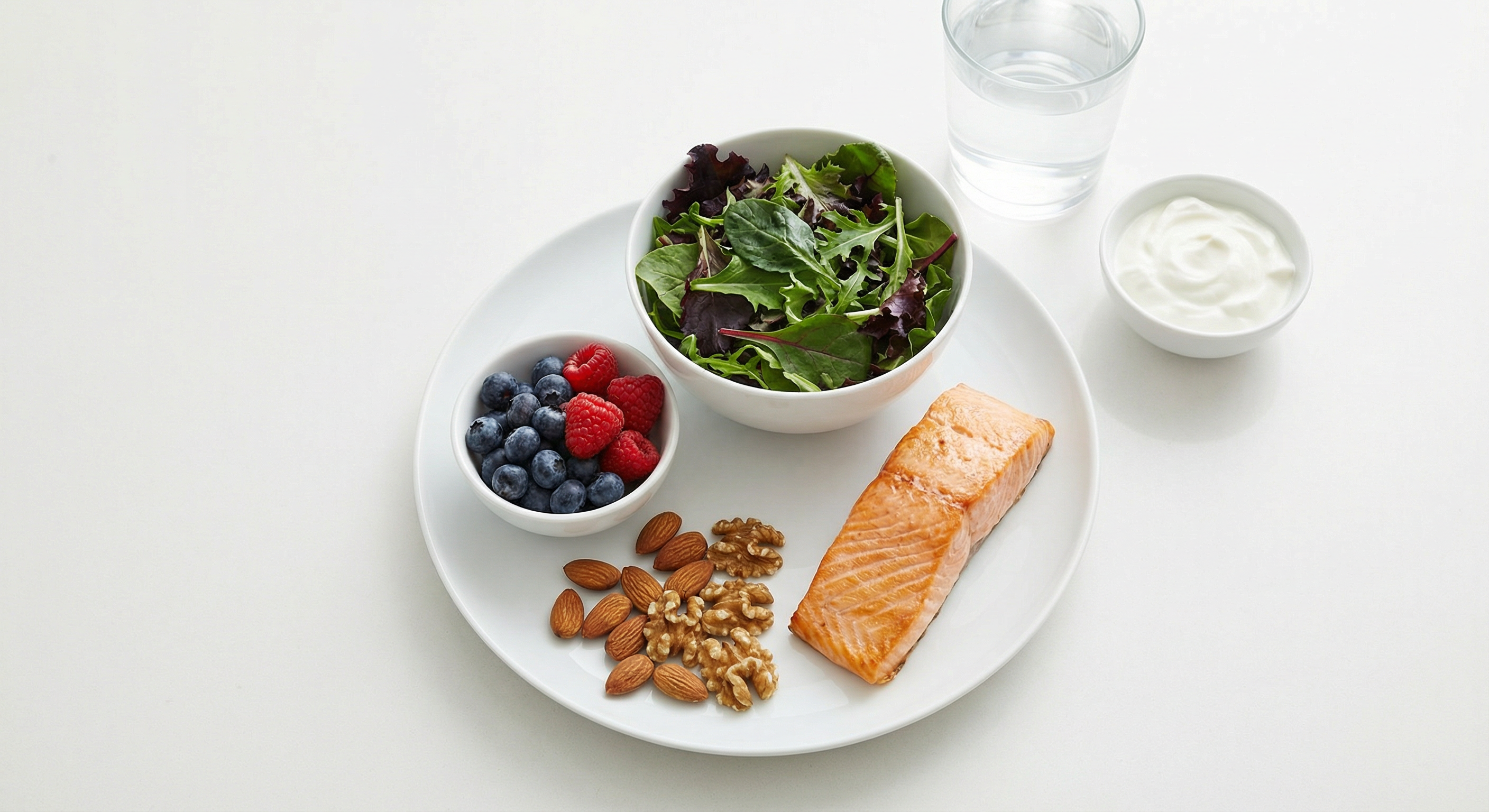
One plate, four zones that grow or shrink with training load, no scale or app required.
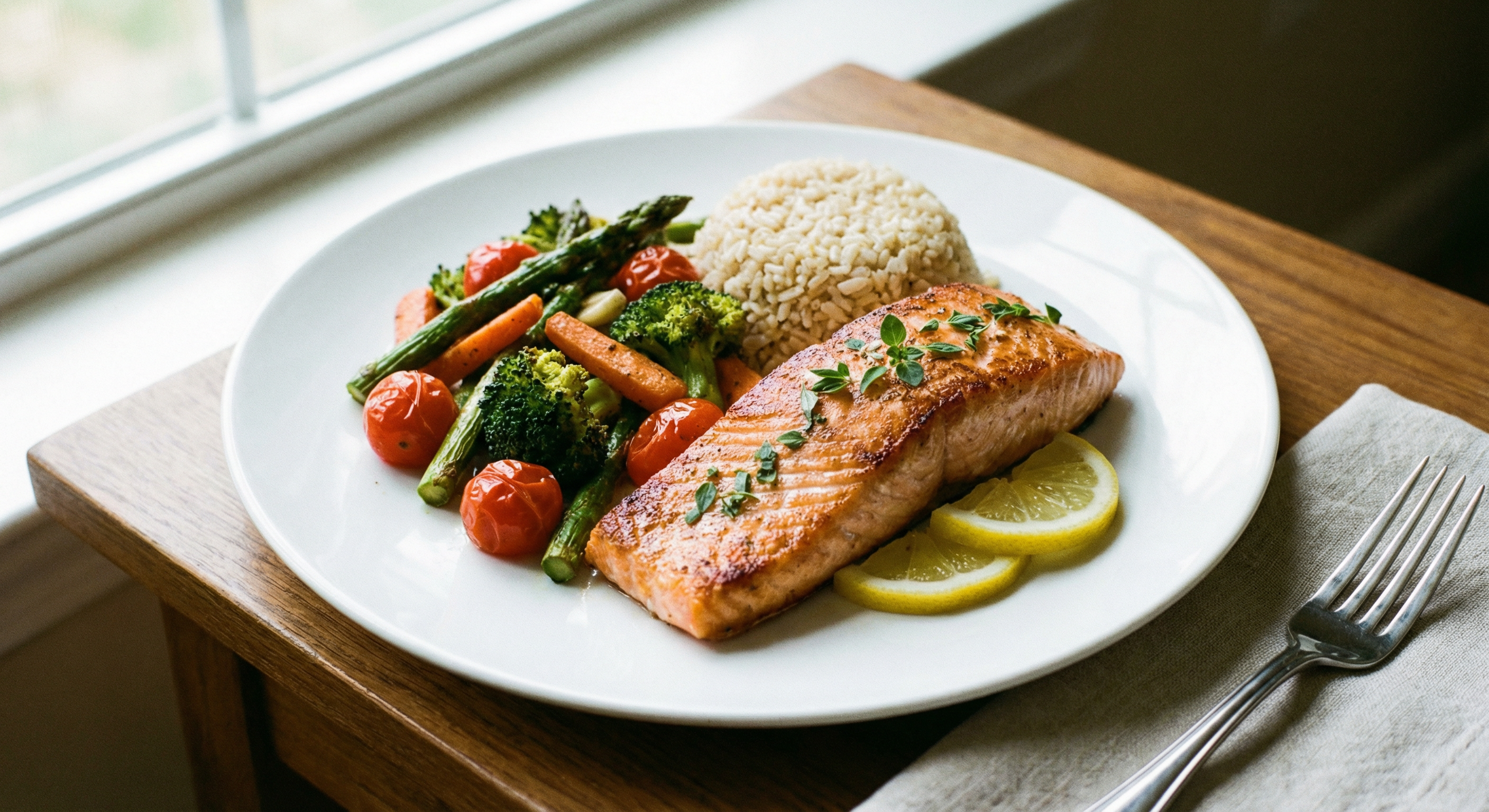
The plate method turns a carbohydrate target into four zones any family can build on a school night without a scale.
Loading…
Printable library
137 one-page sheets across 11 categories. Each one prints cleanly, reads fast on a wall or in a team meeting, and pairs with the full guide behind it.
One page
US letter portrait
Prints cleanly on normal paper
Wall ready
Locker, fridge, meeting, office
Built to be scanned at a glance
Ebook behind it
The deeper read, one click away
Post the sheet, then send the full guide
Lead picks
Team talks, race-week prep, and family communication. Start here if you are printing one thing before practice.
43 featured sheets

One plate, four zones that grow or shrink with training load, no scale or app required.
The plate method turns a carbohydrate target into four zones any family can build on a school night without a scale.


Body weight sets a starting fluid target, but session length and thirst still shape the final plan.
A body-weight formula gives a defensible daily baseline; session length, heat, and a bottle that actually gets emptied turn that baseline into a real plan.
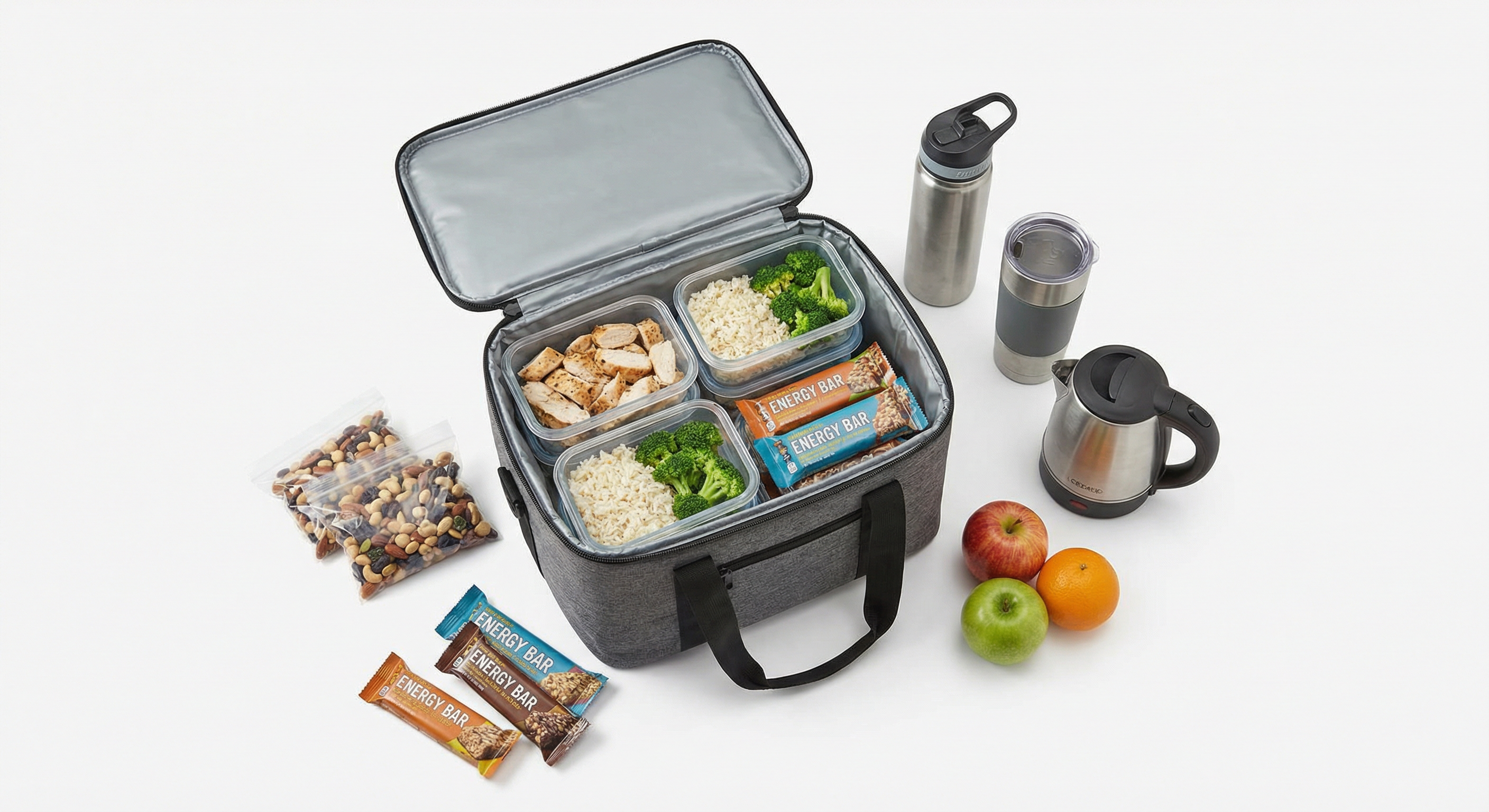
Travel nutrition works when the athlete packs for delays, bad venue food, and the first 24 hours away from home.
The best travel bag covers the first meals, the first snacks, and the first hydration needs before the athlete sees a cafeteria or concession stand.

Road food can still work when the order matches the travel day, workout, and appetite.
Fast food matters because real teams travel.

Bone recovery needs enough energy, enough calcium, enough vitamin D, and enough patience to rebuild.
Most stress fractures do not happen in isolation.
Nobody is hungry at 5am, so the real breakfast happens on the bus. Pack for that, and for the ride.
A 5:45 departure moves the real breakfast onto the bus, so plan two eating events.
A countdown has one input and the input is an estimate. Anchor the big meal early and keep the late decision small.
Put the real meal where a delay cannot hurt it, and keep the late decision cheap.
Nothing swallowed at the line reaches the muscle before the finish. Here is what that frees you from.
A 5K does not deplete the tank, so the fuel that decides it went in long before the gun.
Two shapes of long day that need opposite plans, and an honest account of what recovery in hours can do.
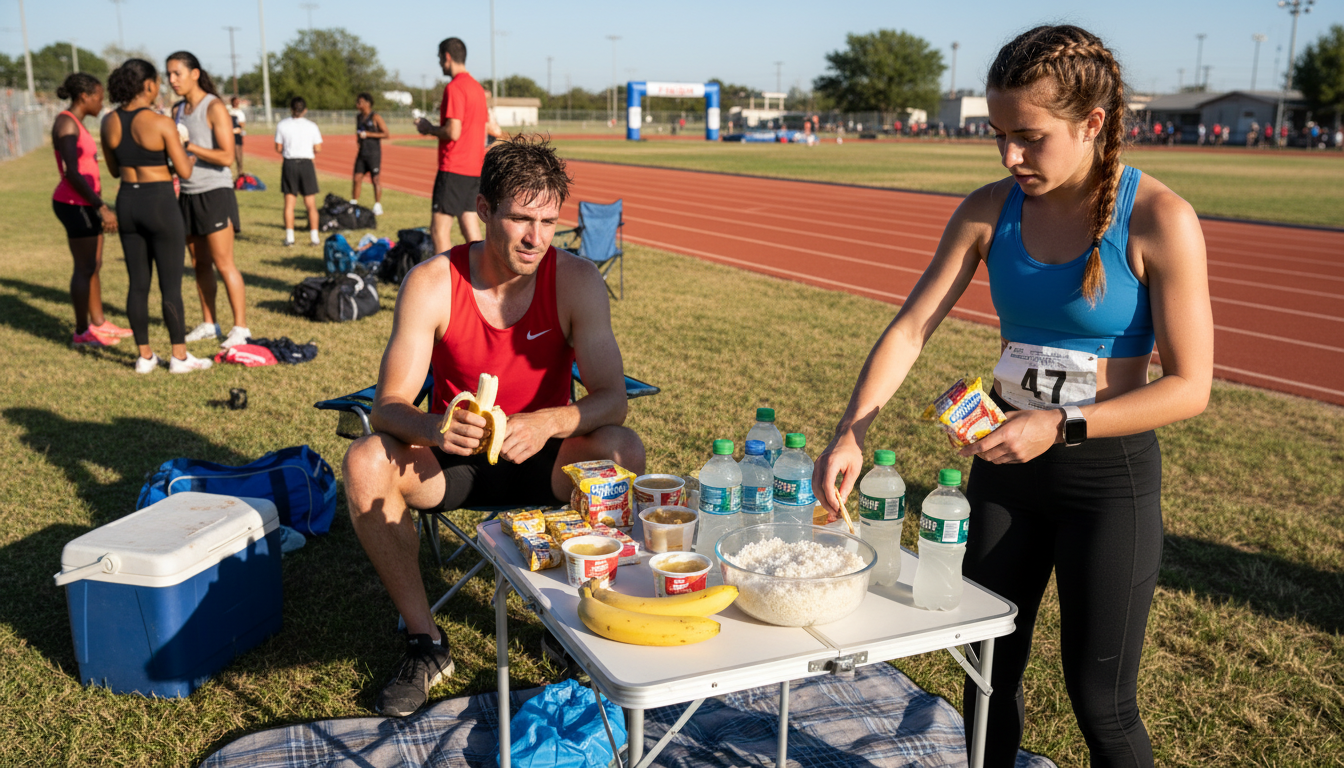
The race is not the hard part of a seven-hour meet — the unstructured hours are.
The window at a meet is usually an availability window, not a metabolic one. Here is what is actually within reach.
At a meet the reason to eat soon is that nothing else is open until dinner.
Same athlete, same bus, two different bags — and almost all of the weather risk sits in the hours around the race.
The weather problem at a school meet is a standing-around problem, and logistics solve it.

Fuel by race length, not by guesswork
Match breakfast timing and portion size to race distance so athletes start fueled without GI drama.

Build glycogen over days, not one pasta dinner
Carb loading works when it is spread across the final 2-3 days before long races and paired with a lower-fiber menu.

Train the gut the same way you train the legs
The gut can be trained to tolerate more carbohydrate during longer efforts, which reduces GI distress and keeps fuel coming in.

Arrive topped off, not sloshing
The right hydration plan starts the day before and tapers into small sips before the gun so athletes are hydrated without bathroom drama.

Recreate home routine in a hotel, airport, or bus
Race travel goes better when athletes pack familiar foods, keep backup snacks close, and restore normal meals as soon as they arrive.

Refuel fast, then keep eating
The first hours after racing are about quick carbs, protein, and fluids, followed by another meal and steady recovery through the rest of the day.

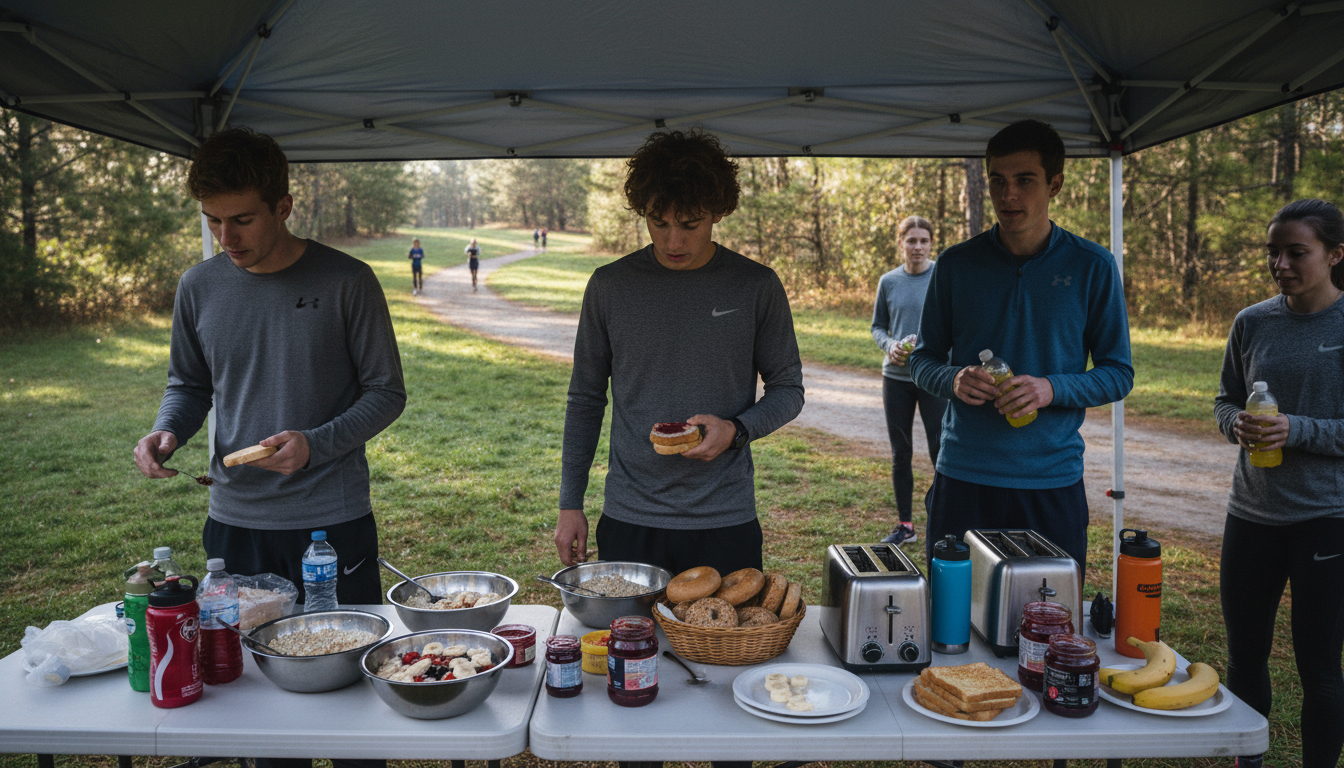
A repeatable breakfast plan for school mornings, training days, and tight appetites.
A practical breakfast system for busy runners who need one option for early runs, one option for recovery, and one fallback when appetite is low.
A simple timing framework for pre-workout fuel, recovery, and double days.
Timing meals to the workout schedule keeps athletes fueled without overcomplicating the day.

Portable snack ideas that bridge the gap between meals, work, school, and practice.
Snacks bridge the calorie gap, protect recovery, and keep athletes from arriving at practice empty.

Affordable staples that fuel training without expensive supplements or specialty products.
Athletes can eat well on a budget by leaning on basic groceries, simple prep, and a few smart shopping habits.
Simple Sunday prep that keeps the whole training week fed without daily scramble mode.
Meal prep makes hard training weeks easier by turning a few basic groceries into ready-to-eat fuel.

Use pre- and post-workout weight to replace what the athlete actually loses.
A sweat-rate test turns hydration from a guess into a number the coach and athlete can use across training conditions.

Sodium does the heavy lifting, especially in heat, long efforts, and at altitude.
Electrolyte strategy works best when sodium is matched to sweat loss and paired with enough fluid to keep the gut comfortable.

Hydration is a habit problem, not a monitoring problem. Build the drinking routine and the chart becomes irrelevant.
Urine color gives athletes a quick, free hydration snapshot when it is used as one signal among several, not as the only signal.

Heavy legs, flat workouts, and slow recovery for weeks are worth a conversation — with the family, and then with a physician.
Iron is one possible reason a runner's paces fade — not the only one.

Treat low energy availability like a performance and health emergency, not a personality trait.
RED-S is an energy mismatch problem.

Strong bones come from enough energy, enough calcium, enough vitamin D, and a training load the body can actually repair.
Low energy availability and menstrual dysfunction move stress fracture risk up quickly.

Use cycle tracking to notice real patterns, then adjust fueling with enough nuance to help and not enough hype to get weird.
The goal is not perfect phase control - it is pattern recognition and better decisions.
Build team nutrition culture before you try to fix individual habits.
The goal is not perfect nutrition coaching.
A 45-minute parent meeting that lowers anxiety and improves what happens at home.
Use a practical, non-judgmental script: explain fuel as performance, show event-group differences, give families three actions they control, and close with clear red flags and referral boundaries.

Frame nutrition funding as safety, performance, and duty of care.
Do not sell nutrition education as a nice extra.

Hurdlers and steeplechasers need event-specific fuel, tendon support, and between-round recovery.
Hurdle events are not one nutrition problem.

Lunch at 10:40, practice at 3:15, and a bell schedule nobody in the building can change.
The bell schedule is fixed, so work the four things around it that are not.
Who you tell, in what order, and what never gets written down.
You do not decide what is wrong, only that somebody qualified has to look.

A repeatable plan from summer base miles to the state meet.
XC fueling works best when breakfast, school-day food, and recovery stay steady.

Keep the plan familiar, carb-forward, and tied to the actual start time.
A 5K race plan should be familiar, carb-forward, and anchored to the actual start.
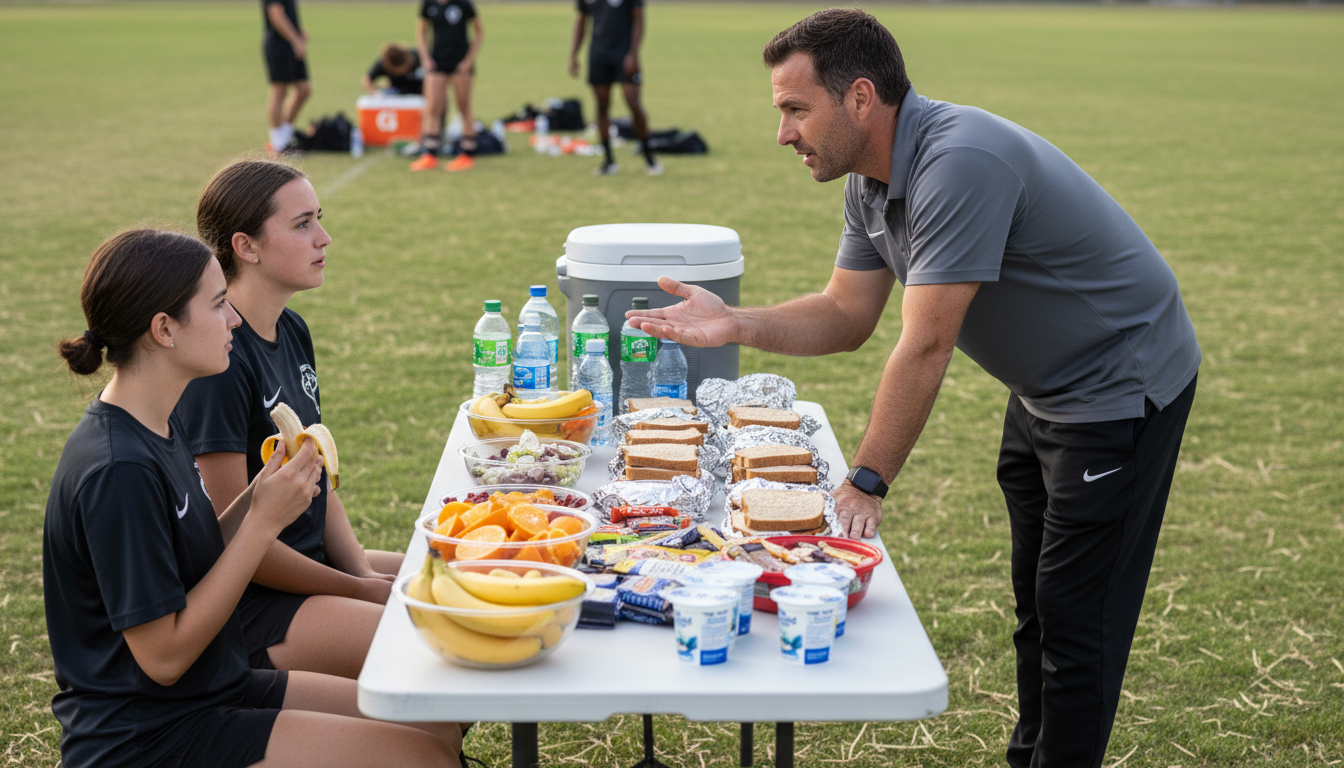
Pack the food that survives the ride, the wait, and the trip home.
Away-meet fueling works when food is packed for the bus, the actual start, and the ride home.

Support the workload, notice the pattern, and refer before the season breaks.
XC terrain changes the work; repeated fatigue needs support and a broader look.

Close the gap between breakfast, lunch, practice, and dinner.
The school day is often the biggest XC fueling gap, so build the plan around the bell schedule.

The food, recovery, and communication basics for a new cross-country runner.
A first XC season needs a repeatable day, not a perfect diet or a new supplement.

Support the runner at home without turning food, weight, or fatigue into a team debate.
Parents support XC best by making food available, listening for patterns, and routing concerns early.
Adjust the plan to the conditions, and treat warning signs as medical concerns.
Weather changes the risk and the plan; it never changes the need to notice red flags.
Browse full library
Filter by topic or jump straight to the category you are coaching this week.
137 printables in total
23 printables
Nobody is hungry at 5am, so the real breakfast happens on the bus. Pack for that, and for the ride.
A 5:45 departure moves the real breakfast onto the bus, so plan two eating events.
A countdown has one input and the input is an estimate. Anchor the big meal early and keep the late decision small.
Put the real meal where a delay cannot hurt it, and keep the late decision cheap.
Nothing swallowed at the line reaches the muscle before the finish. Here is what that frees you from.
A 5K does not deplete the tank, so the fuel that decides it went in long before the gun.
Two shapes of long day that need opposite plans, and an honest account of what recovery in hours can do.
The race is not the hard part of a seven-hour meet — the unstructured hours are.
The window at a meet is usually an availability window, not a metabolic one. Here is what is actually within reach.
At a meet the reason to eat soon is that nothing else is open until dinner.
Same athlete, same bus, two different bags — and almost all of the weather risk sits in the hours around the race.
The weather problem at a school meet is a standing-around problem, and logistics solve it.

Fuel by race length, not by guesswork
Match breakfast timing and portion size to race distance so athletes start fueled without GI drama.

Build glycogen over days, not one pasta dinner
Carb loading works when it is spread across the final 2-3 days before long races and paired with a lower-fiber menu.

Train the gut the same way you train the legs
The gut can be trained to tolerate more carbohydrate during longer efforts, which reduces GI distress and keeps fuel coming in.

Arrive topped off, not sloshing
The right hydration plan starts the day before and tapers into small sips before the gun so athletes are hydrated without bathroom drama.

Recreate home routine in a hotel, airport, or bus
Race travel goes better when athletes pack familiar foods, keep backup snacks close, and restore normal meals as soon as they arrive.

Refuel fast, then keep eating
The first hours after racing are about quick carbs, protein, and fluids, followed by another meal and steady recovery through the rest of the day.

Keep the plan familiar, carb-forward, and tied to the actual start time.
A 5K race plan should be familiar, carb-forward, and anchored to the actual start.

Pack the first day of travel before the bus, and the venue food never gets a vote.
Away meets go sideways when athletes count on food that is not there.
A nervous stomach still needs fuel, just in a calmer format.
Pre-race nerves are normal, but they do not cancel the need for fuel.

Protect performance across rounds, long meet windows, and overnight recovery.
Multi-day meets punish athletes who eat like it is one short race.

Pack foods that travel well, digest easily, and still get eaten when nerves show up.
Portable race nutrition should solve a practical problem: foods that survive travel, feel familiar, and can be used for breakfast, top-offs, or recovery without relying on venue luck.

Support recovery after hard racing with food, fluids, and sleep before you chase fancy fixes.
Post-race inflammation is not solved by one miracle food.

Run breakfast, between-event top-offs, and fluids as one system your athletes have already practiced, not race-morning improvising.
Race-day fueling is a system, not a single meal: a familiar breakfast, small carb top-offs between events, steady fluids all day, and recovery food ready before the last event ends.

A T-minus timeline from wake-up to the gun, so nothing gets decided for the first time on race morning.
Race morning goes better as a rehearsed routine than a decision made under nerves.

Seven days out, the plan gets calmer and more carb-forward, never bigger or stranger.
Race week rewards a boring plan, not a bold one.

Plan the day by the length of the gap before the next event, not by clock time, since meet schedules always slip.
A track meet is an all-day event, not one race with a long wait.
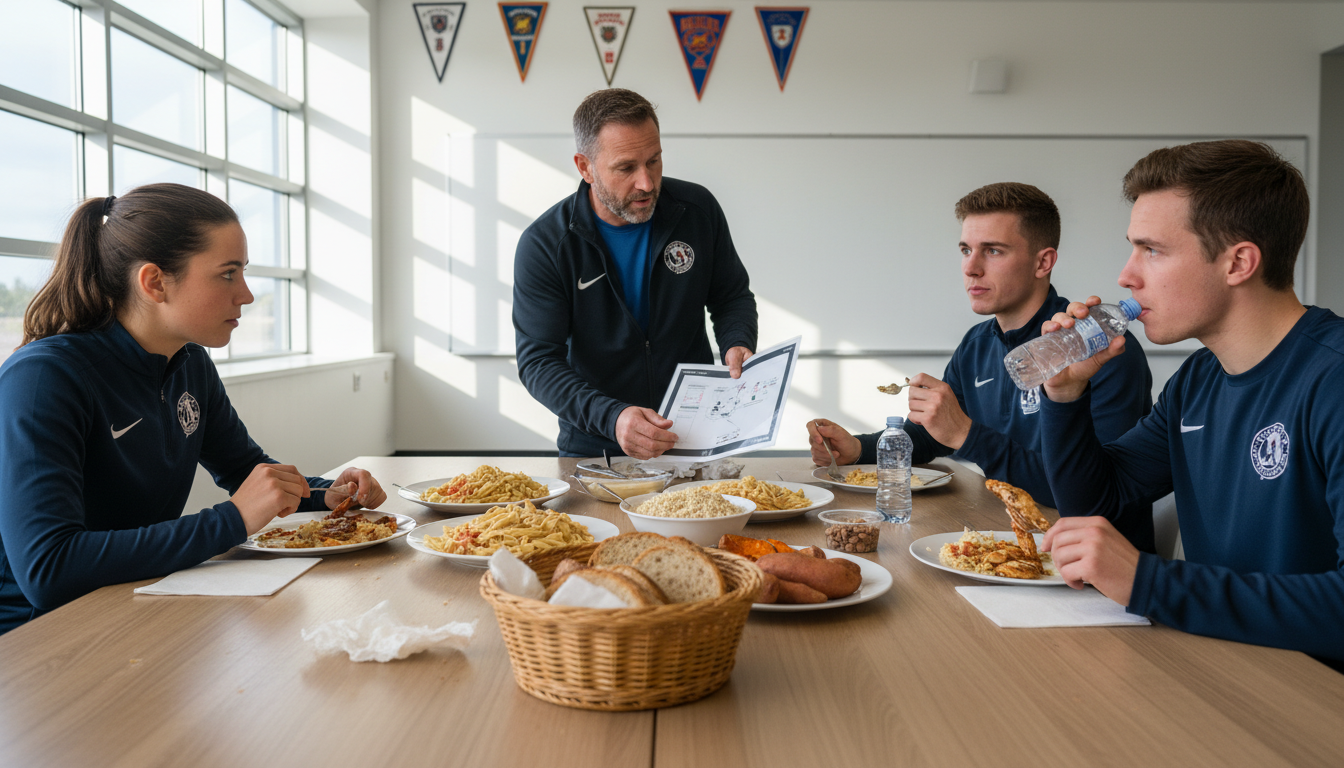
Dinner should top off glycogen and calm the gut, not turn into a reward meal.
The night-before meal matters because it sets up the morning, not because it performs magic on its own. A strong pre-race dinner is familiar, carb-forward, moderate in protein, and low enough in grease and fiber that the athlete wakes up ready to eat again.
13 printables

Body weight sets a starting fluid target, but session length and thirst still shape the final plan.
A body-weight formula gives a defensible daily baseline; session length, heat, and a bottle that actually gets emptied turn that baseline into a real plan.

Use pre- and post-workout weight to replace what the athlete actually loses.
A sweat-rate test turns hydration from a guess into a number the coach and athlete can use across training conditions.

Sodium does the heavy lifting, especially in heat, long efforts, and at altitude.
Electrolyte strategy works best when sodium is matched to sweat loss and paired with enough fluid to keep the gut comfortable.

Hydration is a habit problem, not a monitoring problem. Build the drinking routine and the chart becomes irrelevant.
Urine color gives athletes a quick, free hydration snapshot when it is used as one signal among several, not as the only signal.
Adjust the plan to the conditions, and treat warning signs as medical concerns.
Weather changes the risk and the plan; it never changes the need to notice red flags.

Winter training lowers thirst, not fluid need, so athletes still need an intentional plan.
Athletes often drink less in winter because they feel less thirsty, but school days, heated buildings, and layered training can still leave them behind.

Rest days and classroom days still need a fluid routine so athletes stop starting practice already behind.
Good hydration is usually built on easy days and non-training hours, not rescued right before the workout begins.

Arrive hydrated, drink at every break, and know the red flags
Print this for the gym wall, the locker room, or the practice cooler.

Hot-weather training needs a plan for fluid, sodium, timing, and heat adaptation instead of last-minute panic.
Heat raises sweat loss fast.

Drink on a schedule instead of grading yourself. The routine is the tool — no chart, no scale, no math.
Aspire does not teach urine checks or weigh-ins as hydration tools.

The danger is not only under-drinking. Over-drinking plain water can also wreck race day.
Keep athletes safe by replacing what they lose instead of chasing an arbitrary gallon goal with plain water alone.

Simple bottle rules any athlete can follow, plus a hot-weather variant and the stop signs that end a session.
Hydration is a habit, not a rescue.

The right drink depends on session length, sweat losses, and whether the athlete needs carbs, sodium, or both.
Most athletes do not need the most aggressive product.
21 printables

Road food can still work when the order matches the travel day, workout, and appetite.
Fast food matters because real teams travel.

A repeatable breakfast plan for school mornings, training days, and tight appetites.
A practical breakfast system for busy runners who need one option for early runs, one option for recovery, and one fallback when appetite is low.
A simple timing framework for pre-workout fuel, recovery, and double days.
Timing meals to the workout schedule keeps athletes fueled without overcomplicating the day.

Portable snack ideas that bridge the gap between meals, work, school, and practice.
Snacks bridge the calorie gap, protect recovery, and keep athletes from arriving at practice empty.

Affordable staples that fuel training without expensive supplements or specialty products.
Athletes can eat well on a budget by leaning on basic groceries, simple prep, and a few smart shopping habits.
Simple Sunday prep that keeps the whole training week fed without daily scramble mode.
Meal prep makes hard training weeks easier by turning a few basic groceries into ready-to-eat fuel.

Close the gap between breakfast, lunch, practice, and dinner.
The school day is often the biggest XC fueling gap, so build the plan around the bell schedule.

The hour-by-hour eating and hydration plan for camp and two-a-days
Camp days and two-a-days ask a lot of a young body.

Match carbohydrate intake to the work instead of eating the same way every day.
Carb periodization means shifting intake with training load so athletes arrive ready for quality work and still recover well.

A normal easy-day looks like this — a template, not a prescription
It is a template, not an individualized plan and not medical nutrition therapy.

A hard day needs more — a template, not a prescription
It is a template, not an individualized plan and not medical nutrition therapy.

Handle team dinners and restaurant meals without turning every order into a nutrition exam.
Restaurant meals can support training when athletes keep the order simple, build around carbs and protein, and stop chasing the cleanest-looking menu item.

The first session is only half the job. Recovery between sessions determines the second one.
Doubles fail when athletes treat the gap between sessions like downtime instead of a recovery window.

Tomorrow's early run often depends more on tonight's dinner than on what happens at 5:30 AM.
When training starts early, the night-before meal becomes part of the pre-run fueling plan.

Dietary fat supports hormones, satiety, and total intake, but timing still matters around training.
Fat is not the enemy for endurance athletes.

Enough protein matters, but distribution across the day usually matters more than one giant serving.
Most runners do not need exotic protein strategies.

Rest days need a calmer plate, not a stripped-down day that undermines recovery.
Rest days are where many athletes undercut recovery by skipping meals or trying to "earn" food less.

Eat for base miles, hydrate for heat, keep the habit before season
Summer base training is where the season is quietly built or quietly lost.
Build a pantry that makes fast meals, better snacks, and easier fueling the default.
A strong pantry reduces missed meals, bad convenience choices, and last-minute stress on school and training days.

Use the off-season to rebuild, gain useful strength, and sharpen habits before racing returns.
The off-season is a nutrition opportunity.
When the schedule is packed, the food system has to get simpler and faster, not disappear.
Busy athletes do not need more nutrition theory.
14 printables
Build team nutrition culture before you try to fix individual habits.
The goal is not perfect nutrition coaching.
A 45-minute parent meeting that lowers anxiety and improves what happens at home.
Use a practical, non-judgmental script: explain fuel as performance, show event-group differences, give families three actions they control, and close with clear red flags and referral boundaries.

Frame nutrition funding as safety, performance, and duty of care.
Do not sell nutrition education as a nice extra.

Lunch at 10:40, practice at 3:15, and a bell schedule nobody in the building can change.
The bell schedule is fixed, so work the four things around it that are not.
Who you tell, in what order, and what never gets written down.
You do not decide what is wrong, only that somebody qualified has to look.
Pack the food that survives the ride, the wait, and the trip home.
Away-meet fueling works when food is packed for the bus, the actual start, and the ride home.

The food, recovery, and communication basics for a new cross-country runner.
A first XC season needs a repeatable day, not a perfect diet or a new supplement.

Set the language, routines, and expectations that make fueling feel normal instead of awkward.
Healthy team culture is built through repeatable behaviors: how coaches talk, what athletes see around food, and whether the program makes basic fueling easier or harder.
Keep conversations on fuel, readiness, and health while removing the body comments that backfire.
Coaches can address under-fueling and readiness without harmful weight talk.
Use simple systems coaches can actually run during practice, travel, and hot meets.
The best hydration monitoring system is simple enough to repeat: bottles visible, fluids available, coaches watching patterns, and athletes taught what under-hydration looks like before it becomes a problem.
Plan team meals that calm the gut, support the event load, and stay realistic for families and travel.
A strong team meal is not fancy.

Teach the basics well, stay inside coaching scope, and know when to refer.
Team nutrition education works best when it is practical, brief, and repeated.

Remove the missed-meal chaos that happens on buses, in hotels, and at away meets.
Travel nutrition is mostly logistics.

Give coaches a clear response path when fueling concerns cross into medical or safety territory.
Safety issues require a different coaching posture: stay calm, name the concern, document what was observed, and move the athlete toward the right adult and clinician instead of trying to solve it privately.
10 printables

One plate, four zones that grow or shrink with training load, no scale or app required.
The plate method turns a carbohydrate target into four zones any family can build on a school night without a scale.
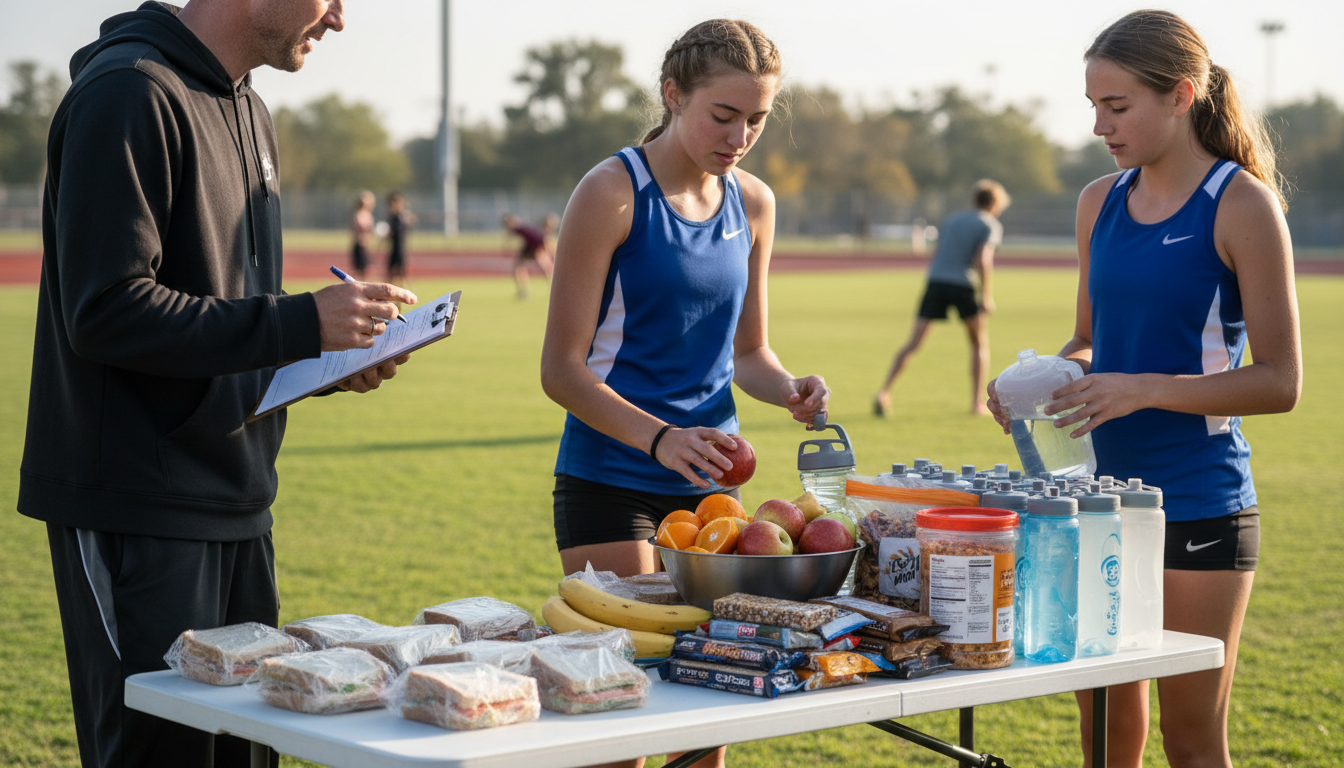
Travel nutrition works when the athlete packs for delays, bad venue food, and the first 24 hours away from home.
The best travel bag covers the first meals, the first snacks, and the first hydration needs before the athlete sees a cafeteria or concession stand.

Support the runner at home without turning food, weight, or fatigue into a team debate.
Parents support XC best by making food available, listening for patterns, and routing concerns early.

Cheap food can still build a strong athlete when the plan protects calories, protein, iron, and recovery basics.
Budget fueling works best when families buy staple carbs in bulk, rotate low-cost proteins, and stop assuming sports nutrition has to look expensive.
The kitchen setup and the family language around food matter as much as the grocery list itself.
Healthy home environments make the right choice easy, neutral, and repeatable without turning every meal into a nutrition lesson.

Most under-fueled high school runners are not being defiant. They are busy, disconnected from appetite, or quietly overwhelmed by food.
Parents help most when they reduce friction, speak calmly, and recognize when ordinary under-fueling is tipping into something more serious.
Close the after-school fuel gap, keep food talk calm, and know when to flag a pattern to the coach.
Parents do not need a nutrition degree.
Give athletes something to run on between the last bell and the first interval.
One small carb snack 60 to 90 minutes out closes that gap.

Shared meals can still work even when the athletes at the table do not have the same training load, body size, or event demand.
Families do not need separate kitchens.

Parents and coaches do not need to diagnose the issue. They need to recognize when the pattern is beyond normal sports nutrition support.
The decision point is not whether the athlete has a confirmed diagnosis.
12 printables

Hurdlers and steeplechasers need event-specific fuel, tendon support, and between-round recovery.
Hurdle events are not one nutrition problem.

A repeatable plan from summer base miles to the state meet.
XC fueling works best when breakfast, school-day food, and recovery stay steady.
Give Colorado programs a practical system for training, travel, and athlete support across elevation bands.
Colorado programs do best when altitude nutrition is treated like a system, not a one-off reminder. That means repeatable hydration habits, iron awareness, and clear visitor guidance for away teams or athletes new to elevation.

Distance events run on daily carbohydrate intake, not a single race-morning breakfast.
The distance fuel plan runs on steady daily carbs, a snack before key sessions, and a recovery habit that starts the moment practice ends.

Fuel jumpers for pop, repeatability, and bone health without turning the event into weight pressure.
The best system protects both power and bone health without pushing harmful body talk.

Use the month before official practice to lock in routines that hold up when mileage climbs.
Pre-season nutrition should not begin on the first hard workout.

Fuel relay athletes for warm-up, long waits, repeated efforts, and the last leg of the day.
Relay athletes often under-eat because each leg looks short on paper.

Sprinters, jumpers, and throwers need real daily fuel for explosive output, not smaller portions or extra protein alone.
Short events do not mean small appetites.

Fuel multi-event athletes for long days, repeat efforts, and the recovery gap between day one and day two.
Multi-event athletes lose the second day when the first day was fueled like a normal meet.

Fuel speed with enough total energy, well-timed carbs, and recovery that keeps power available.
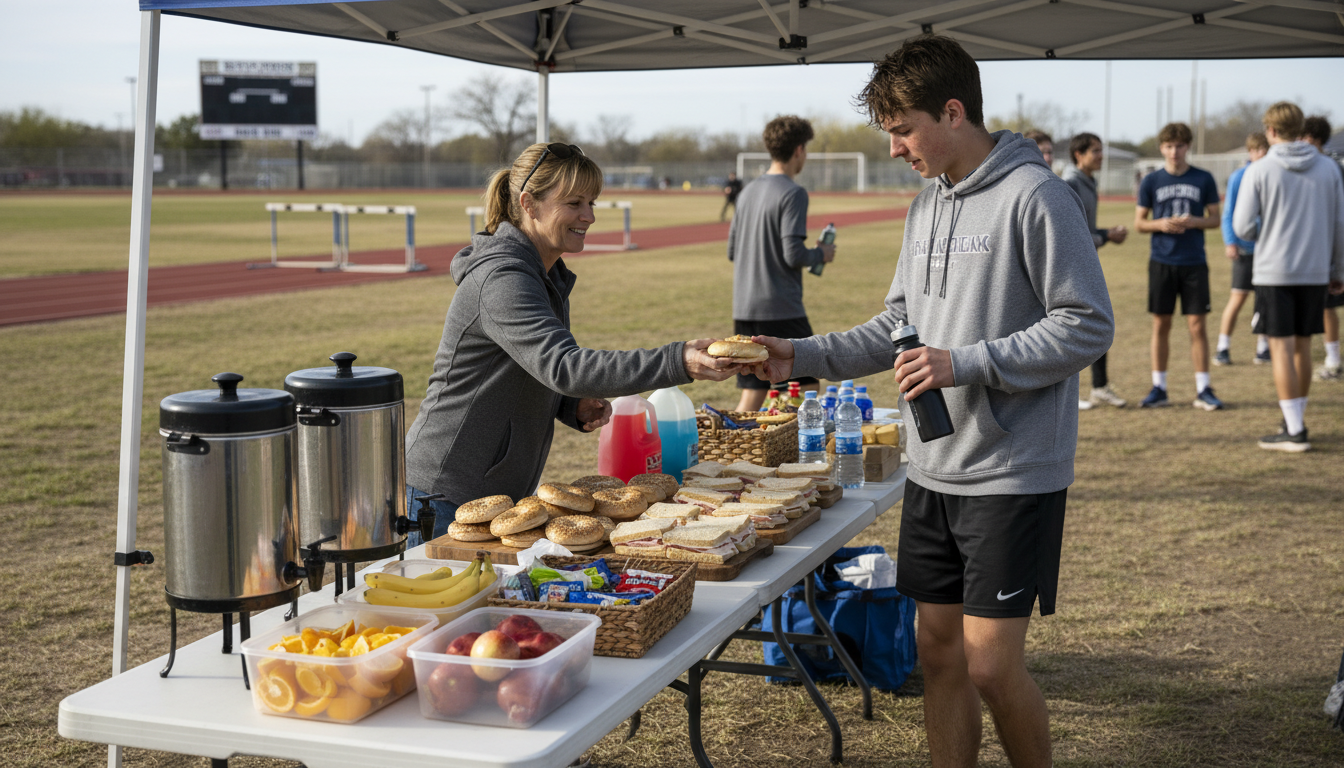
Sprinters need a plate that supports speed work, lifts, and repeated quality sessions.

Support size, strength, and long meet days with a structure that throwers can actually repeat.
The better system is structured and steady.

Build the season around breakfast, snacks, recovery, and race-week habits that survive real school schedules.
Cross country fueling works best when the whole season is anchored by a few habits: breakfast, school-day intake, pre-run support, and recovery that stays consistent from base mileage through championship meets.
13 printables

Heavy legs, flat workouts, and slow recovery for weeks are worth a conversation — with the family, and then with a physician.
Iron is one possible reason a runner's paces fade — not the only one.
Treat low energy availability like a performance and health emergency, not a personality trait.

RED-S is an energy mismatch problem.

Strong bones come from enough energy, enough calcium, enough vitamin D, and a training load the body can actually repair.
Low energy availability and menstrual dysfunction move stress fracture risk up quickly.

Use cycle tracking to notice real patterns, then adjust fueling with enough nuance to help and not enough hype to get weird.
The goal is not perfect phase control - it is pattern recognition and better decisions.

Hormonal contraception can change symptoms, bleeding patterns, and nutrient questions, but it does not replace a fueling assessment.
Birth control changes the picture, but it should not hide underfueling, RED-S, iron issues, or symptom patterns that still need attention.

The scale cannot tell you readiness, power, health, or whether the athlete is actually improving.
Scale weight is a weak coaching tool.

Adolescence is a bone-building window. Enough food, calcium-rich meals, and a fast handoff when a bone complains protect it.
Adolescent runners build bone that has to last a lifetime.

Running can only return safely when nutrition, medical stability, and psychological support move together.
Recovery is not a toughness project.

Look past one symptom and coach the full health picture: cycle, training load, hormones, mood, and referral timing.
Female athlete health is bigger than one RED-S checklist.

The right supplement can help, but only after food, labs, symptoms, and training load are reviewed together.
Female athletes often hear a long list of supplement advice.

Teen female athletes are fueling both training and development at the same time.
Adolescent female athletes are not just smaller adults.

Use a practical referral pathway when low energy availability signs start clustering.
Coaches and parents do not need to diagnose RED-S.

When mileage, intensity, or lifting changes, nutrition has to move with it instead of staying frozen.
Female athletes often handle load changes well only when food changes early instead of after the body starts complaining.
9 printables

Bone recovery needs enough energy, enough calcium, enough vitamin D, and enough patience to rebuild.
Most stress fractures do not happen in isolation.

Healing tissue costs energy. Eating less while hurt makes the comeback later and the next injury more likely.
Injured athletes do best with regular meals, protein at each one, and enough calcium, vitamin D, and total energy for tissue to rebuild.

Most runner stomach problems improve when timing, food choice, intensity, and stress are managed together.
Treat gut issues like a training variable: identify the pattern, simplify the menu, and rehearse the plan before race day.

Injury recovery is a fueling phase, not a time to slash intake and hope for the best.
The athlete who stays adequately fueled during injury preserves more muscle, tolerates rehab better, and returns with less damage to undo.

Unexplained fading that lasts weeks is a referral, not a shrug — and never a test or a supplement a coach picks.
A referral reference for repeated fatigue and a flat training response: what to watch, how long is long enough, and why the coach never names the test.

Surgery recovery starts before the procedure and gets smoother when the athlete already has an eating routine in place.
The athlete needs a simple plan for fluids, pain-friendly foods, protein, and constipation prevention before they ever come home from the procedure.

Turn the first hour after hard training into a habit, not a 30-minute panic.
The 30-minute anabolic window is gym folklore.

The athlete returning from injury needs enough fuel for both healing and reloading training stress.
The comeback fails when training ramps up but fueling stays stuck in rehab mode.

Connective tissue heals slowly, so the nutrition plan has to stay consistent longer than the athlete wants it to.
Tendon and ligament recovery responds best when rehab loading and nutrition support happen together over weeks, not in a three-day burst.
13 printables

Support the workload, notice the pattern, and refer before the season breaks.
XC terrain changes the work; repeated fatigue needs support and a broader look.

Give the couple of hours after hard training a plan, so recovery starts before the bus ride, not at bedtime.
Tomorrow feels better when recovery starts today.

Nitrate strategies may help some endurance efforts, but only when the rest of the race plan already works.
Beetroot juice is a maybe-tool for some athletes, not a magic pre-race upgrade.

If caffeine is used, it has to fit breakfast, hydration, timing, and the athlete's actual gut response.
Caffeine can help some athletes, but the performance benefit disappears quickly when timing, breakfast, or hydration are sloppy.

For most teams, the safest evidence-based stance is food first and no casual stimulant use around training.
Energy drinks and pre-workout products create more problems than solutions in most school and team settings because the amount, ingredients, sleep effects, and empty-stomach use are hard to control.

Most athletes need a strong food system before any supplement conversation becomes useful.
An evidence-based supplement conversation starts by shrinking the list, not expanding it.

A stronger gut usually comes from steady daily habits and smart race-week simplification, not gut hacks.
Gut health for runners is a two-part job: support the gut every day, then simplify close to races so the athlete is not fighting the bathroom and the event at the same time.
Food, recovery, and enough energy are the frontline immune tools during hard training blocks.
Immune support gets much better when athletes stop treating heavy training weeks like a normal week with less food and less sleep.

The goal is to manage training inflammation without blunting the normal adaptation athletes still need.
Food helps inflammation most when athletes eat enough, recover early, and repeat anti-inflammatory basics across the week instead of chasing one special ingredient.

DOMS improves most when athletes recover early, hydrate, and stop letting hard days end with nothing.
Muscle soreness is not eliminated by one food, but it gets worse quickly when recovery food, hydration, and sleep are inconsistent after hard or unfamiliar training.

Use food timing and evening choices to help athletes recover harder and sleep deeper.
Sleep improves when athletes finish the day fed, hydrated, and less stimulated.

Teach athletes and families what makes a supplement risky, low-quality, or not worth using.
Most supplement problems are visible before the product is ever opened: vague claims, influencer marketing, hidden blends, and replacing basics with pills instead of fixing meals.

Frame vitamin D as a bone, immune, and recovery support issue, not a random add-on supplement.
The practical move is to notice risk patterns early and use testing when needed.
8 printables

Growing athletes need enough daily energy to support school, training, and development at the same time.
Adolescent runners are fueling for two jobs at once: growth and training.

When practice lasts half the day, the fueling plan has to stretch with it.
Multi-event athletes training for long hours cannot rely on one lunch and one dinner.

Simple routines beat advanced nutrition concepts when the athlete is just learning how to fuel.
Beginner runners do not need complicated macros.

Pre-race diarrhea is usually a systems problem: timing, nerves, fiber, heat, and habit all pile up together.
Most athletes improve when the race-morning menu gets smaller, lower fiber, and more predictable while anxiety and timing are addressed at the same time.

Plant-based track athletes do well when iron, protein, B12, and event-specific meals are built on purpose all week.
Vegan track fueling works when the athlete uses real protein anchors, protects iron absorption, and matches meals to event demand instead of just removing animal foods.

Plant-based runners do well when meals are built on purpose instead of hoping the protein works out.
Plant-based running nutrition works when protein, iron, calcium, and recovery foods show up consistently across the whole day.

Young runners need simple structure, not adult race nutrition complexity.
Youth runners do best with repeat meals, a pre-practice snack, fluids, and adults who make the environment easy.

Youth track athletes need dependable meals, meet-day basics, and a calm coaching message around food.
The evidence-based move with youth track is simple: enough energy, steady hydration, and no pressure to eat like older elite athletes.
1 printable

A strong parent communication plan sends the right message at the right time instead of overwhelming families in one meeting.
The best parent email library feels seasonal, specific, and repeatable.

Want the full premium system behind these handouts?
A growing library of evidence-based guides, interactive tools, and an 8-module coaching course
See plans and pricing