
Aspire guide
Supplements & Recovery
Supplements & Recovery manual
Caffeine Strategies for Racing
How to use caffeine for performance with timing and dosage guidance.
Why this matters
Read time
5 min
Audience
Athlete + Coach
Use it for
Supplements & Recovery
Start here
Caffeine only helps when the rest of the race plan is already clean.
Coach prompt
Ask the athlete what they will eat and drink around caffeine, not just whether they want it.
Quick reference
Topic snapshot
Key action
Caffeine Strategies for Racing
Read time
5 min
Audience
Athlete + Coach
Start here
Caffeine only helps when the rest of the race plan is already clean.
Best next move
Use it this week
Ask the athlete what they will eat and drink around caffeine, not just whether they want it.
Quick reference map
Use the topic like a clear checklist
Protocol
Start here
Jump to this section and use it like a coaching quick reference.
Overview
First rule: start lower than you think
Jump to this section and use it like a coaching quick reference.
Timeline
Timing that works for most runners
Jump to this section and use it like a coaching quick reference.
In the library
Format
Read the topic here, then download the PDF only when you need an offline copy.
Best use
Open the sections you need, then share the same topic link with coaches, parents, or athletes.
Quick start
Start here
How to use caffeine for performance with timing and dosage guidance.
Plan it
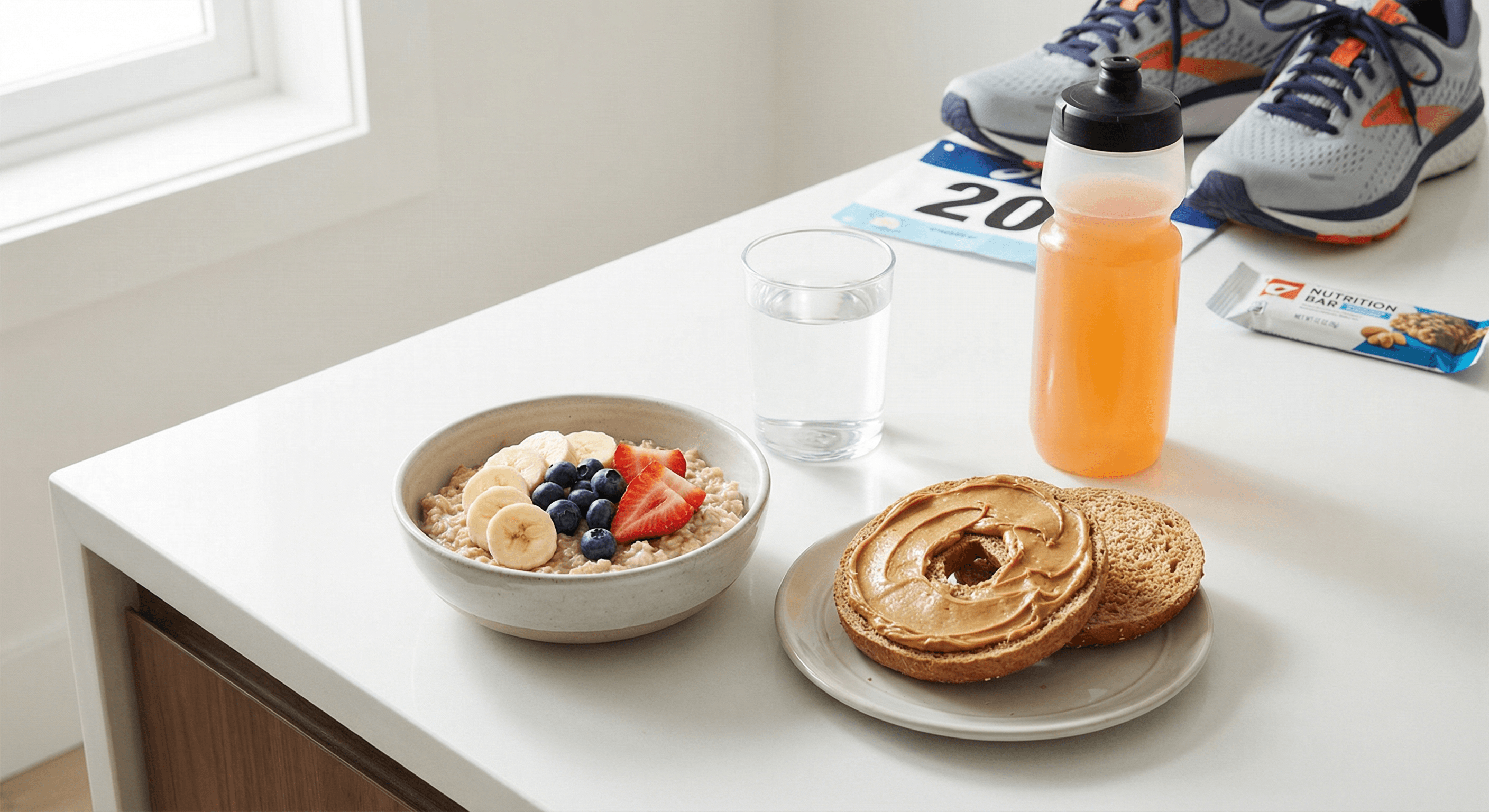
Caffeine belongs inside a full race routine
- Athletes should know the source, timing, and amount before meet week.
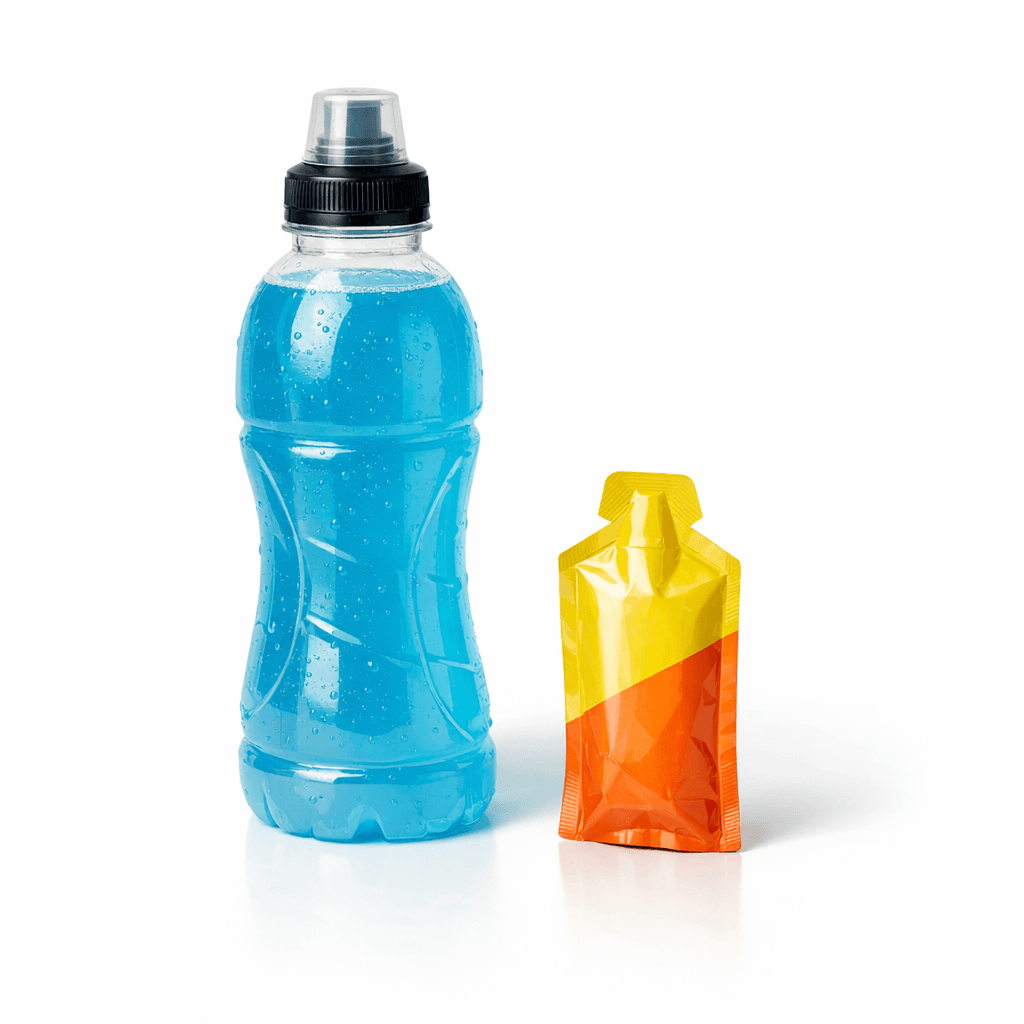
- Coffee, gels, and drinks all behave differently in the real morning.
Fuel first
Breakfast still matters more than the stimulant
- Caffeine on top of missed breakfast often feels shaky, not fast.
- Use the same meal the athlete has already tolerated in practice.
Hydration
Build the fluid plan before the caffeine debate gets abstract
- Dry athletes often blame the wrong thing later in the day.
- Water and planned fluids still belong next to any caffeine strategy.
First rule: start lower than you think
Research consistently supports caffeine for performance, with the most common evidence-based range at 3 to 6 mg/kg.
Research consistently supports caffeine for performance, with the most common evidence-based range at 3 to 6 mg/kg. Minimal effective doses may be lower for some athletes, sometimes around 2 mg/kg.
That is why I usually tell athletes:
More is not better.
- start testing around 2 to 3 mg/kg
- only move higher if the response is clearly helpful and side effects stay low
- stop chasing higher numbers once jitters, GI problems, or sleep disruption start winning
Timing that works for most runners
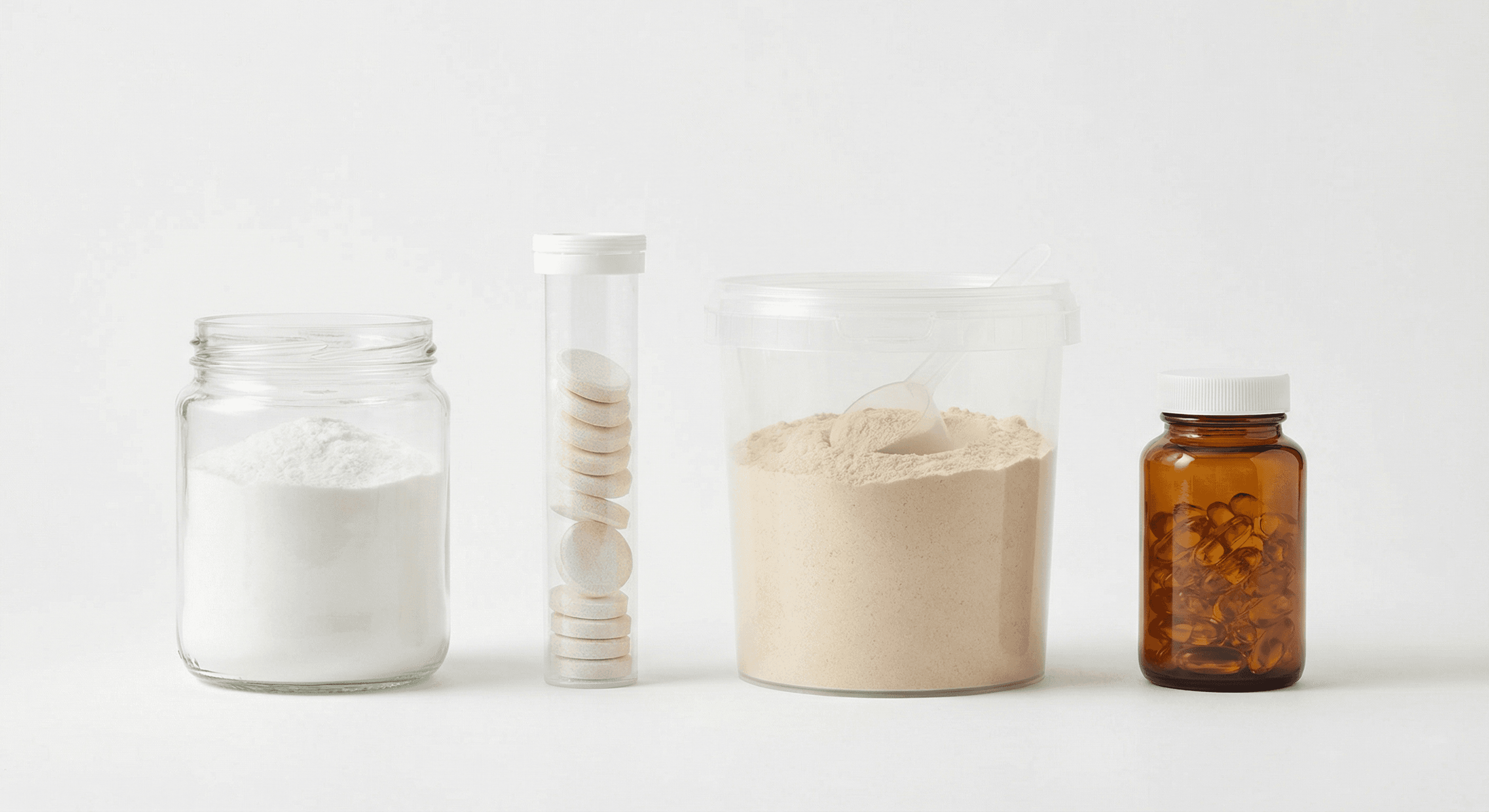
For capsules, coffee, or most traditional caffeine sources:
take it about 45 to 60 minutes before the hard effort
the timing window can be shorter
Unlock the rest of the manual
Full access opens every section and the ebook PDF.
What to do next
Use it this week
Ask the athlete what they will eat and drink around caffeine, not just whether they want it.
Source topics
caffeine • coffee • performance • timing • dosage