
Aspire guide
Hydration
Hydration manual
Cold-Weather Hydration: A Practical Team Plan
A cold-weather hydration plan built around bottle access, protected refills, planned drink opportunities, changing conditions, and a clear medical response.
Why this matters
Cold air does not switch off fluid loss, but it does change the logistics.
Read time
5 min
Audience
Coach + Parent + Athlete
Use it for
Hydration
Start here
Cold-weather hydration works when access is easy, conditions change the plan, and symptoms trigger the right response.
Coach prompt
Confirm the bottle location, refill point, planned opportunities, weather adjustment, and emergency roles before the next cold session.
Quick reference
Topic snapshot
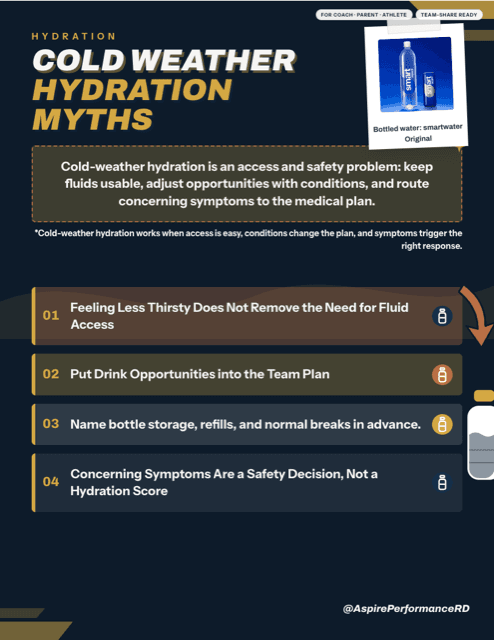
The printed sheet
Read time
5 min
Audience
Coach + Parent + Athlete
Best next move
Use it this week
Confirm the bottle location, refill point, planned opportunities, weather adjustment, and emergency roles before the next cold session.
Quick reference map
Use the topic like a clear checklist
In the library
Format
Read the topic here, then download the PDF only when you need an offline copy.
Best use
Open the sections you need, then share the same topic link with coaches, parents, or athletes.
Recognizable options
What this can look like at the store
These are familiar examples, not a required shopping list. Use the food category to find an option that fits your athlete, budget, and allergy needs.
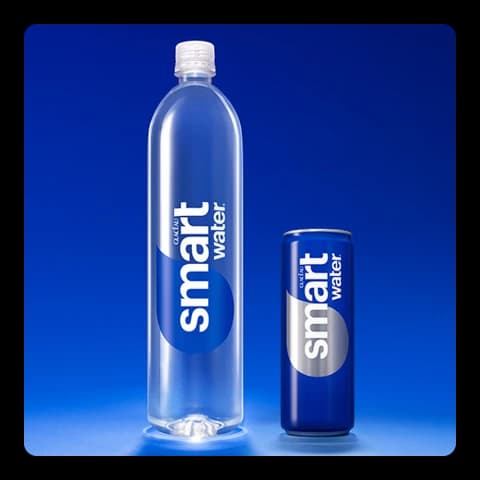
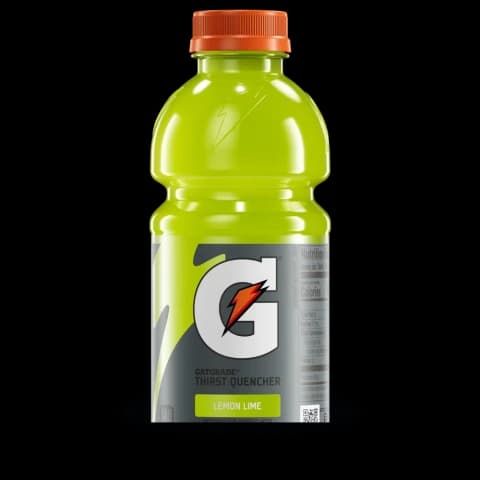
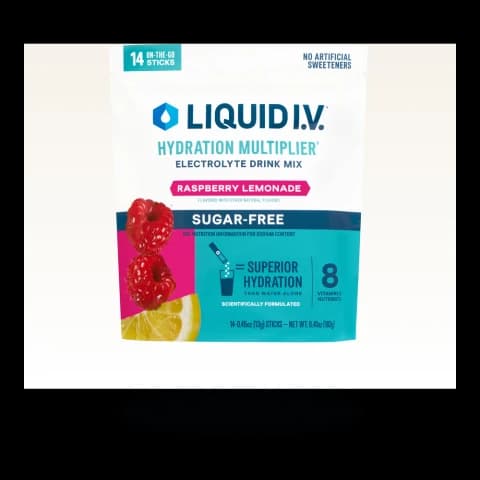
Brands are shown only as concrete examples, not endorsements. Ingredients, labels, and availability can change; check the current package for allergens and fit. Image sources and rights notice.
Quick start
Start here
A cold-weather hydration plan built around bottle access, protected refills, planned drink opportunities, changing conditions, and a clear medical response.

Myth one
Feeling less thirsty does not remove the need for fluid access
- Cold, indoor heat, layers, and long school days can change drinking.
- Keep a bottle reachable and offer breaks without quotas or chugging.
Training reality
Heavy layers, dry air, and frozen equipment change the logistics
- Use an insulated bottle or warm drink; name the refill point.
- Adjust access and breaks for duration, layers, and weather.
Practical fix
Put drink opportunities into the team plan
- Name bottle storage, refills, and normal breaks in advance.
- Use preferred drinks without counts, grading, or public call-outs.
Context
Overview
Cold air does not switch off fluid loss, but it does change the logistics. Bottles freeze, fountains close, gloves make caps harder to use, heavy layers hide sweat, and athletes may feel less interested in drinking.
The answer is not a winter formula. It is a team system that keeps fluid available, gives athletes practical chances to drink, adapts when the session or weather changes, and routes concerning symptoms to medical care.

Myth 1: “Nobody needs a drink when it is cold”
Athletes still lose fluid through breathing and sweat. The amount varies with the person, the session, clothing, wind, altitude, travel, illness, and other conditions. A coach does not need to estimate an exact loss to make access reliable.
Unlock the rest of the manual
Full access opens every section and the ebook PDF.
Evidence
References
The sources behind this topic. Where a citation carries a link, it opens the record so you can check the original.
- 1.McDermott BP, Anderson SA, Armstrong LE, et al. National Athletic Trainers' Association position statement: fluid replacement for the physically active. Journal of Athletic Training. 2017;52(9):877-895.PubMed 28985128
- 2.Castellani JW, Young AJ, Ducharme MB, et al. American College of Sports Medicine position stand: prevention of cold injuries during exercise. Medicine & Science in Sports & Exercise. 2006;38(11):2012-2029.PubMed 17095937
- 3.Casa DJ, DeMartini JK, Bergeron MF, et al. National Athletic Trainers' Association position statement: exertional heat illnesses. Journal of Athletic Training. 2015;50(9):986-1000.PMC 4639891
What to do next
Use it this week
Confirm the bottle location, refill point, planned opportunities, weather adjustment, and emergency roles before the next cold session.
Related tool
Endurance Fuel Lab
Calculate fluid, sodium, product servings, and optional measured sweat rate with every formula shown.
Open the full calculatorSource topics
cold weather hydration • winter running hydration • team water access • cross country cold practice • track winter training • athlete refill plan