Aspire guide
Specific Populations
Specific Populations manual
Gastrointestinal Ischemia: Why Solid Food Fails Late in the Heptathlon
Understanding why athletes feel incredibly nauseous and unable to eat solid food after 6 hours of high-intensity multi-event competition.
Why this matters
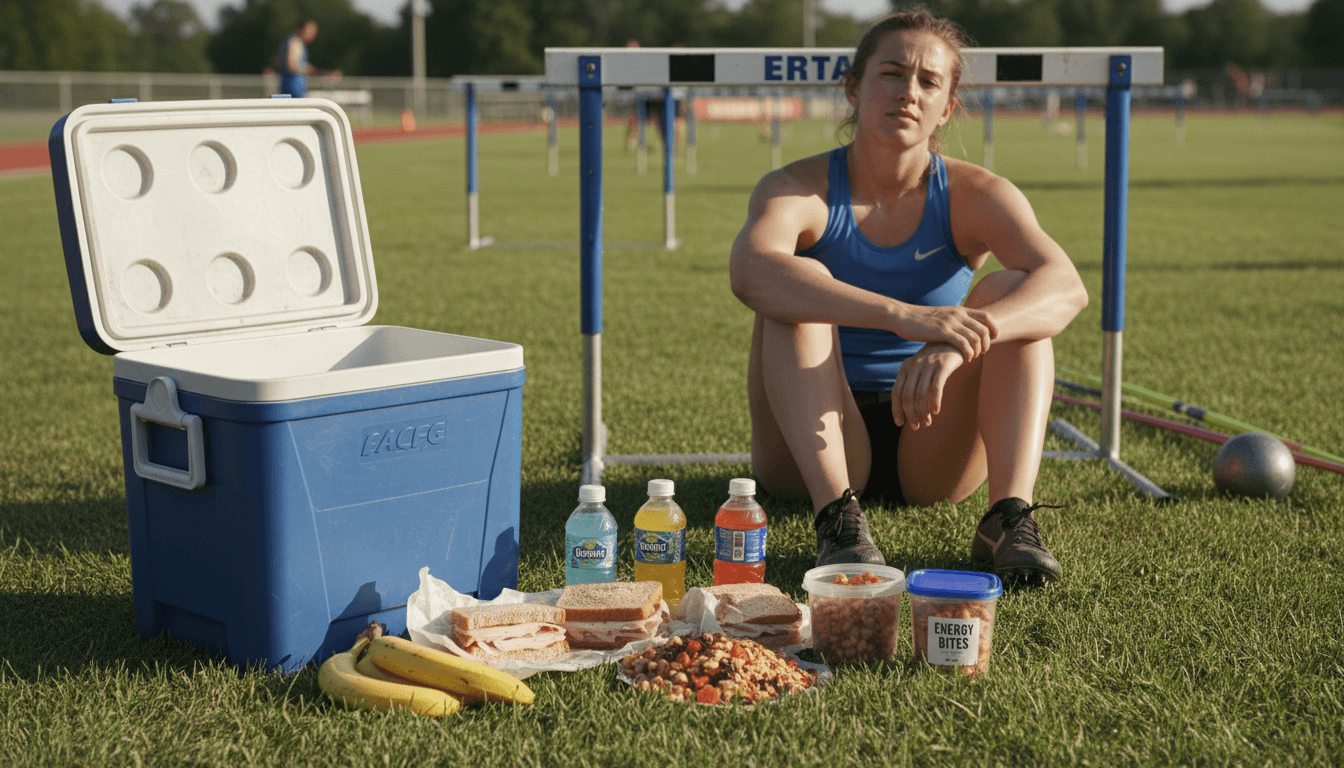
By 2:00 PM on the second day of a heptathlon, athletes often feel totally hollowed out.
Read time
3 min
Audience
Coach + Athlete
Use it for
Specific Populations
Start here
Understanding why athletes feel incredibly nauseous and unable to eat solid food after 6 hours of high-intensity multi-event competition.
Coach prompt
Use "Gastrointestinal Ischemia: Why Solid Food Fails Late in the Heptathlon" as the one-page recap for this topic.
Quick reference
Topic snapshot
Key action
Gastrointestinal Ischemia: Why Solid Food Fails Late in the Heptathlon
Read time
3 min
Audience
Coach + Athlete
Start here
Understanding why athletes feel incredibly nauseous and unable to eat solid food after 6 hours of high-intensity multi-event competition.
Best next move
Use it this week
Use "Gastrointestinal Ischemia: Why Solid Food Fails Late in the Heptathlon" as the one-page recap for this topic.
Quick reference map
Use the topic like a clear checklist
In the library
Format
Read the topic here, then download the PDF only when you need an offline copy.
Best use
Open the sections you need, then share the same topic link with coaches, parents, or athletes.
Quick start
Start here
Understanding why athletes feel incredibly nauseous and unable to eat solid food after 6 hours of high-intensity multi-event competition.
Key points
---
- title: "Gastrointestinal Ischemia: Why Solid Food Fails Late in the Heptathlon"
- category: Specific Populations
The Shunting of Blood Flow
When the human body undergoes extreme, repeated physical trauma (like running hurdles,…
- To keep the heart, lungs, and skeletal muscles supplied with oxygen, the brain forcefully clamps down on the blood…
The Ischemic Workarounds
When GI Ischemia inevitably hits on Day 2, the athlete must instantly abandon all…
- | The Clinical Workaround | The Nutritional Implementation | The Biological Rationale |
- |---|---|---|
The Shunting of Blood Flow
When the human body undergoes extreme, repeated physical trauma (like running hurdles, throwing shot puts, and high jumping over two days), the sympathetic nervous system locks…
[!WARNING]
### The Danger of Forced Feeding
If a coach forces an athlete to eat a solid, dry protein bar or a heavy bagel while their stomach is completely ischemic, the organ will biologically refuse to mechanically digest it. The solid food essentially rots in place during the ensuing events, rapidly creating acute gas, extraordinarily painful bloating, and…
Coach line
[!WARNING]
Implementation
What stalls progress vs what moves it
Specific-population manuals work best when the plan fits the athlete's actual event demands.
What stalls progress
- Copying a generic plan from a different event
- Chasing one supplement before the food pattern is stable
- Waiting until the athlete feels broken before acting
What moves it
- Match the plan to the event load and appetite pattern
- Keep food, hydration, and screening simple enough to repeat
- Use one coach or parent follow-up step this week
Unlock the rest of the manual
Full access opens every section and the ebook PDF.
What to do next
Use it this week
Use "Gastrointestinal Ischemia: Why Solid Food Fails Late in the Heptathlon" as the one-page recap for this topic.
Source topics
gastrointestinal ischemia • track meet nausea • heptathlon nutrition • track stomach ache • blood flow athletes