Aspire guide
Hydration
Hydration manual
Hyponatremia Prevention
Avoid dangerous over-hydration by balancing water and sodium intake.
Why this matters
Avoid dangerous over-hydration by balancing water and sodium intake.
Read time
4 min
Audience
Athlete + Coach
Use it for
Hydration
Start here
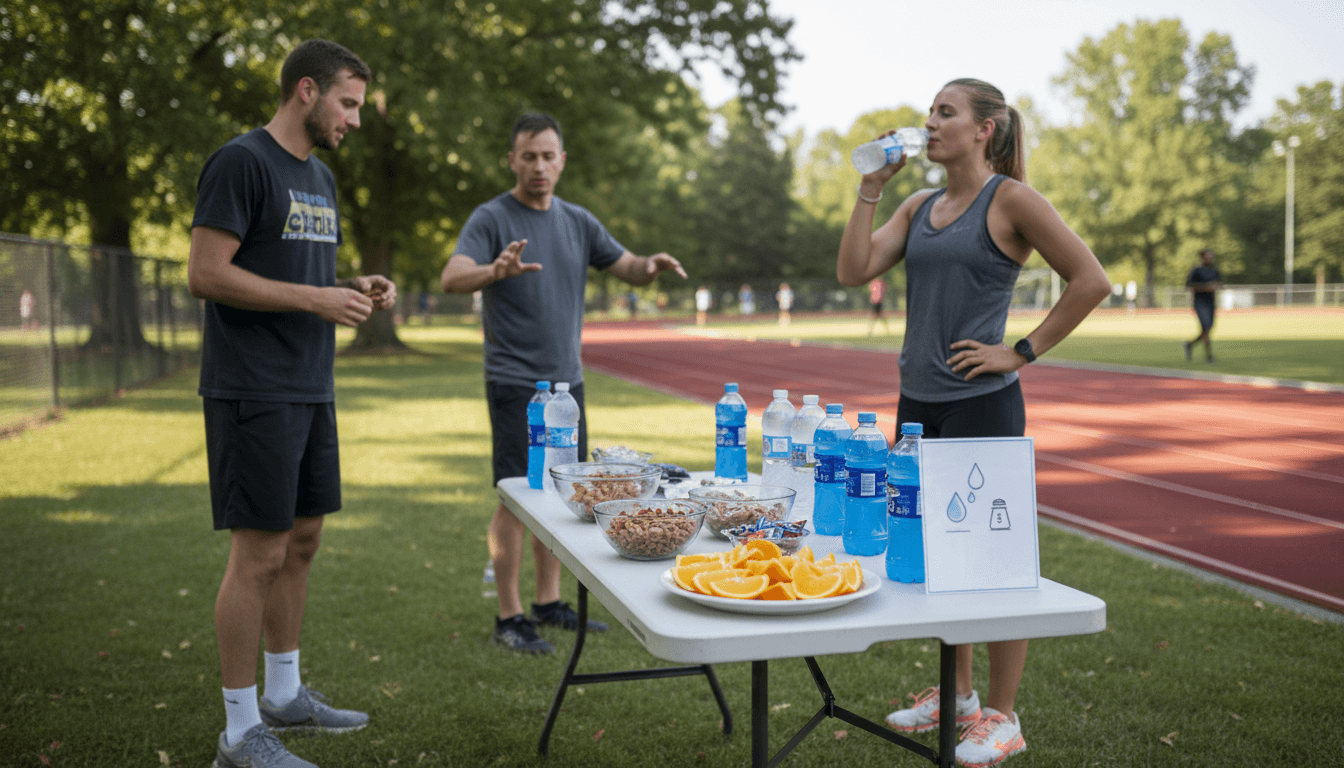
More water is NOT always better
Coach prompt
Who on your team is most likely to over-drink because they think more water is always better?
Quick reference
Topic snapshot
Key action
Hyponatremia Prevention
Read time
4 min
Audience
Athlete + Coach
Start here
More water is NOT always better
Best next move
Use it this week
Who on your team is most likely to over-drink because they think more water is always better?
Quick reference map
Use the topic like a clear checklist
In the library
Format
Read the topic here, then download the PDF only when you need an offline copy.
Best use
Open the sections you need, then share the same topic link with coaches, parents, or athletes.
Quick start
Start here
Avoid dangerous over-hydration by balancing water and sodium intake.
What it is
Hyponatremia means sodium gets diluted
- It happens when fluid intake outruns sodium replacement.
- Long events, heat, and nervous over-drinking raise the risk.
What causes it
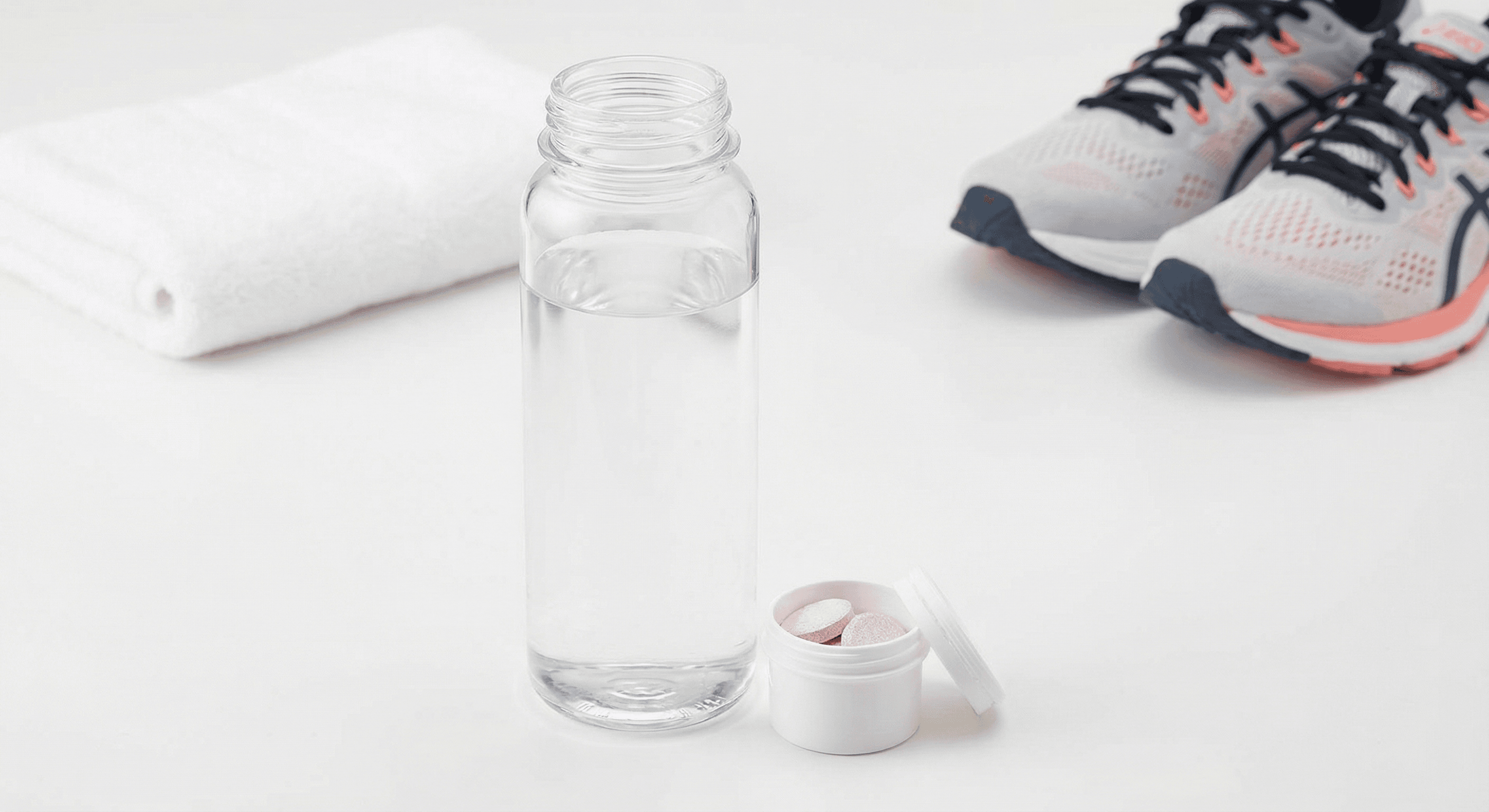
Plain water overload is the usual mistake
- Athletes who sip constantly all day can create the problem.
- Race advice like 'drink as much as possible' is outdated.
Prevention
Use body weight, time, and sweat rate
- Start sessions hydrated instead of trying to rescue it mid-race.
- Match hourly drinking to sweat loss, not fear.
What Is Hyponatremia?
Hyponatremia = low blood sodium levels
Hyponatremia = low blood sodium levels
Causes:
Severity: Can be life-threatening if untreated
- Drinking too much water without electrolytes
- Sweat sodium losses + plain water replacement
- Dilution of blood sodium
Field use
A field protocol coaches can actually repeat
Morning
Check the athlete before practice starts
Dark urine, headache, and an empty bottle are red flags before the session even begins.
During training
Use planned drinking moments
Scheduled drink breaks beat thirst when the day is hot, dry, or altitude-adjusted.
After practice
Replace losses steadily
Push recovery fluids across the next few hours instead of one rushed bottle.
Unlock the rest of the manual
Full access opens every section and the ebook PDF.
What to do next
Use it this week
Who on your team is most likely to over-drink because they think more water is always better?
Source topics
hyponatremia • over-hydration • sodium • water intoxication