

Aspire guide
Parent Resources
Parent Resources manual
The Parent's Quick Guide to Fueling Your Runner
A season-opening handout for cross country and track parents covering the three things that matter most in fueling a distance runner, what to say (and not say) about food at home, and when to loop in the coach or a professional.
Why this matters
Your coach handed you this at parent night for a reason: a calm, well-stocked home makes daily fueling easier.
Recognizable options
What this can look like at the store
These are familiar examples, not a required shopping list. Use the food category to find an option that fits your athlete, budget, and allergy needs.
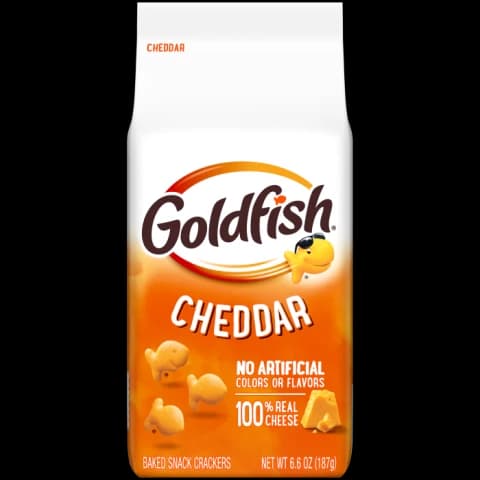


Brands are shown only as concrete examples, not endorsements. Ingredients, labels, and availability can change; check the current package for allergens and fit. Image sources and rights notice.
Quick start
Start here
A season-opening handout for cross country and track parents covering the three things that matter most in fueling a distance runner, what to say (and not…
Close the gap
Beat the four-hour stretch between lunch and practice
- Lunch at noon, practice at 3:30: a four-hour gap felt by warm-up.
- A granola bar, banana, or half a PB sandwich covers that gap in minutes.
At the table
Talk about effort and fuel, never about weight or shape
- Praise effort, energy, and consistency, never weight or shape.
- Food is fuel, not a reward; feed a hard practice like an easy one.
When to flag it
Notice the pattern, then hand it to the coach or a doctor
- Fatigue, plateaued times, and slow recovery come first.
- Repeated injury, fatigue, or less intake needs family or clinical follow-up.
Context
Overview
Your coach handed you this at parent night for a reason: a calm, well-stocked home makes daily fueling easier. You do not need a nutrition degree to help. You need a few repeatable routines, useful language, and a clear path to more support when something feels off.
Context
Why your runner's fueling is a team sport
The coach can build the training plan, schedule food and drink access, and make the team environment safer. Families control what is available at home and what gets said at the dinner table. Neither role includes policing an athlete's intake, body, or private health information.
This isn't about precision. It's about consistency. A runner who eats reasonably well most days, most weeks, all season will out-perform and stay healthier than a runner whose fueling swings between "great" and "nothing" depending on how busy the week got. Your job isn't to get every meal perfect. It's to make sure fuel shows up, regularly, without drama.
That's genuinely the whole job. Everything below is just detail on how to do it.
Unlock the rest of the manual
Full access opens every section and the ebook PDF.
Evidence
References
The sources behind this topic. Where a citation carries a link, it opens the record so you can check the original.
- 1.Thomas DT, Erdman KA, Burke LM. Nutrition and Athletic Performance. Med Sci Sports Exerc. 2016;48(3):543-568.PubMed 26891166
- 2.Desbrow B. Youth Athlete Development and Nutrition. Sports Med. 2021;51(Suppl 1):3-12.
- 3.Mountjoy M, Ackerman KE, Bailey DM, et al. IOC consensus statement on Relative Energy Deficiency in Sport (REDs): 2023 update. Br J Sports Med. 2023;57(17):1073-1097.DOI 10.1136/bjsports-2023-106994
What to do next
Use it this week
Ask every family to close one gap first: a real breakfast and a packed pre-practice snack, daily.
Related tool
Parent Night Playbook
Use the reviewed family-facing structure for the conversation.
Open the parent-night playbookSource topics
parent guide runner nutrition • what to feed a cross country runner • talking to athletes about food • parent night handout • distance runner fueling parents • school lunch to practice gap