

Aspire guide
Parent Resources
Parent Resources manual
My Runner Won't Eat: A Parent's Guide to the Under-Fueled Athlete
A practical, honest guide for parents concerned that their teen athlete isn't eating enough — covering signs of under-fueling, how to talk about it without conflict, when to seek professional help, and how to know when a picky eater becomes something more serious.
Why this matters
You have stocked the kitchen, offered reminders, and watched another busy day end with less food than you expected.
Recognizable options
What this can look like at the store
These are familiar examples, not a required shopping list. Use the food category to find an option that fits your athlete, budget, and allergy needs.
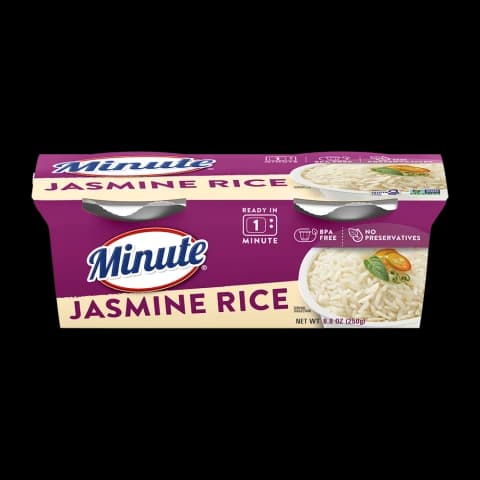

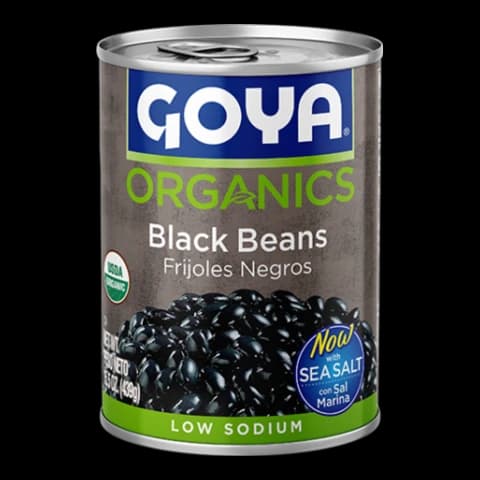
Brands are shown only as concrete examples, not endorsements. Ingredients, labels, and availability can change; check the current package for allergens and fit. Image sources and rights notice.
Quick start
Start here
A practical, honest guide for parents concerned that their teen athlete isn't eating enough — covering signs of under-fueling, how to talk about it without…

What it looks like
Under-fueling hides in plain sight
- Fatigue, irritability, flat workouts, and repeated illness are clues.
- Saying 'just not hungry' may be true; appetite can disconnect.
Reduce friction
Make eating easier first
- Visible snacks and ready meals beat repeated reminders.
- Busy athletes often miss food from disorganization, not from not caring.
How to talk
Lead with care, not control
- Use what you are noticing: low energy, slow recovery, frequent headaches.
- Avoid body comments or accusations about weight.
Context
Overview
You have stocked the kitchen, offered reminders, and watched another busy day end with less food than you expected. The instinct is to push harder. That often turns food into the argument instead of solving the barrier.
Start with curiosity, access, and a lower-friction plan. If the pattern carries health changes or distress, involve the pediatrician early.
First, separate a hard day from a persistent pattern
One missed snack does not explain an athlete’s health or performance. Concern rises when eating becomes consistently difficult and sits alongside changes such as persistent fatigue, recurring illness or pain, dizziness, declining training tolerance, mood change, or distress around food.
Those changes can have many causes. Parents do not need to decide whether the cause is underfueling, a GI issue, anxiety, medication, an eating disorder, or something else. They need to notice the pattern and bring it to qualified care.
Unlock the rest of the manual
Full access opens every section and the ebook PDF.
Evidence
References
The sources behind this topic, so you can look up the originals.
- 1.Desbrow B. Youth Athlete Development and Nutrition. Sports Med. 2021;51(Suppl 1):3-12.
- 2.Mountjoy M, Ackerman KE, Bailey DM, et al. IOC consensus statement on Relative Energy Deficiency in Sport (REDs): 2023 update. Br J Sports Med. 2023;57(17):1073-1097.
What to do next
Use it this week
If this athlete keeps saying 'I'm just not hungry,' what pattern would you point to first?
Related tool
Red flags and referral guide
Sort a repeated pattern from one bad week, then take the questions it prints to a parent or guardian, a physician, and a sports dietitian.
Open the referral guideSource topics
under-fueled teen athlete • runner won't eat parent • athlete not eating enough • teen runner nutrition concern • parent guide under-eating athlete • energy deficiency teen athlete