

Aspire guide
Parent Resources
Parent Resources manual
When to Seek Professional Help
Red flags that indicate your athlete needs a dietitian or medical provider.
Why this matters
Recognizable options
What this can look like at the store
These are familiar examples, not a required shopping list. Use the food category to find an option that fits your athlete, budget, and allergy needs.
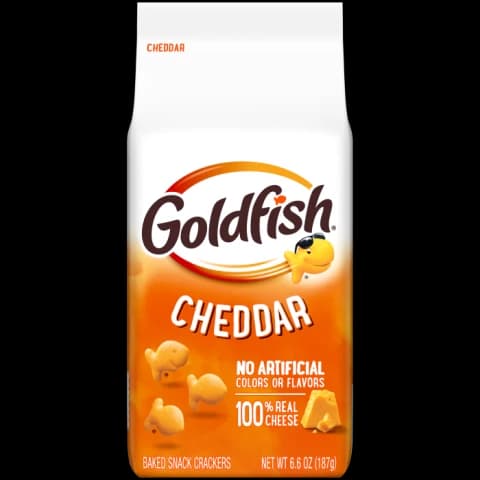


Brands are shown only as concrete examples, not endorsements. Ingredients, labels, and availability can change; check the current package for allergens and fit. Image sources and rights notice.
Quick start
Start here
Red flags that indicate your athlete needs a dietitian or medical provider.
Who to call
The coach calls the family; the family calls the athlete's physician
- Share specific observations with a parent or guardian; do not diagnose.
- The pediatrician or family physician is the first clinical door.
Food behavior
Escalate when food fear or rigid control shows up
- Act on skipped meals, cut food groups, or panic around eating.
- Obsessive weighing or body checking raises concern quickly.
Performance clues
The early signs often look like normal athlete struggles
- Fatigue, repeated flat sessions, slow recovery, and frequent illness matter.
- Stress injuries or sudden performance drop matter even more.
Context
Overview
If something feels off, you do not need to wait for proof before asking for help. Families lose time when they keep hoping a pattern will disappear on its own. Early referral is usually simpler, safer, and more effective than waiting until the athlete is exhausted, injured, or in a real crisis.
This guide is not about panicking. It is about knowing when the next move should be professional support instead of another team talk.
Call sooner when patterns start clustering
One rough workout does not mean much. A cluster does.
Take it seriously when you are seeing more than one of these at the same time:
- unusual fatigue that is not improving
- repeated injuries or bone-stress issues
- missed periods or major cycle changes
- obvious food restriction or fear around eating
- fast weight change that does not match the training picture
- mood changes, anxiety, or isolation around food and body image
Unlock the rest of the manual
Full access opens every section and the ebook PDF.
Evidence
References
The sources behind this topic, so you can look up the originals.
- 1.Mountjoy M, Ackerman KE, Bailey DM, et al. IOC consensus statement on Relative Energy Deficiency in Sport (REDs): 2023 update. Br J Sports Med. 2023;57(17):1073-1097.
- 2.Williams NI, De Souza MJ, Misra M, et al. 2025 Update to the Female Athlete Triad Coalition Consensus Statement Part 2: Clinical Guidelines for Screening, Diagnosis, Treatment, and Return to Play for Adolescents and Adults. Sports Med. 2026;56(2):375-427.
- 3.Desbrow B. Youth Athlete Development and Nutrition. Sports Med. 2021;51(Suppl 1):3-12.
What to do next
Use it this week
Name the observation, contact the family, and hand the clinical decision to the athlete's physician.
Related tool
Parent Night Playbook
Use the reviewed family-facing structure for the conversation.
Open the parent-night playbookSource topics
professional help • dietitian • doctor • red flags