Before you start
Use it when
Use when comparing familiar foods or preparing questions after a clinician has raised an iron concern.
Have ready
- Food filters and selected item
- Number of servings based on the current food-data serving
You will get
- Iron per serving and exact serving-total math
- Food-source context without diagnosing iron status
1. Filter the source list
Numbers below are the rounded values published in NIH ODS Table 2, updated September 4, 2025. Fortified products vary, so confirm the package label.
2. Choose a food
10 matches3. Calculate servings
Lentils, boiled and drained: 3 mg iron
1 serving of 1/2 cup
For this nonheme source, a practical vitamin C pairing is tomatoes or lemon.
How this was calculated
Iron from selected servings
- Formula
- published iron per serving × entered servings
- Your numbers
- 3 mg × 1
- Result
- 3 mg iron
Assumptions
- The entered serving is the same size as the published serving.
- Values in the source table are rounded; fortified foods and brands can differ.
Sources
- NIH Office of Dietary Supplements: Iron Fact Sheet for Health Professionals — Table 2 food values; updated September 4, 2025.
Food values are planning estimates and products vary. This tool does not diagnose iron deficiency or set a supplement dose.
What this tool teaches
See how much iron the foods you like carry
Iron Foods Finder gives a result. This is the idea behind it, for the runner, the family, and the coach.
For the runner
- Iron helps your blood carry oxygen to your legs.
- Some foods carry a lot of it and some carry very little.
- The tool does the math for the servings you really eat.
Pick foods you already eat, type your servings, and add the fruit or pepper it names beside plant foods.
For example Nora eats lentils at dinner twice a week. The tool showed her total for two servings and named her pairing: tomatoes or a squeeze of lemon.
Not true: spinach is the strongest iron food on the plate.
For families
- Filter by eating pattern and allergens first, then compare only foods you already buy. The values come from the NIH food table.
- Fortified cereals vary by brand, so check the box label against the number the tool shows before you rely on it.
- Use the pairing it names when you shop: beans with salsa, lentils with tomato, cereal with berries. Plant iron absorbs better beside them.
- The total is planning math, not a diagnosis and not a dose. Bring the foods you compared to a clinic visit.
Try this week Buy one food from the top of your filtered list and put it on the table twice this week.
Watch for Weeks of unusual tiredness, workouts that feel harder than they should, breathlessness, or heavy periods is a conversation with the pediatrician, who decides what to check. No food total answers that.
For the coach
Say this
- This is a food list with the math shown. Pick what you already eat, enter your servings, and see where iron actually shows up.
- I do not know anyone's iron status and I will not guess. Tired for weeks goes to your family and your doctor.
- Plant sources travel with the pairing it names: beans with salsa, cereal with berries. That is an everyday habit, not a treatment.
- Set your allergen filters first. A food that is off the table at your house should not be on your list at all.
Ask themWhich of these foods do you already eat at home?
Why it works
Iron from animal foods and iron from plants are absorbed differently, and vitamin C beside a plant source usually improves uptake, which is why the tool names a pairing.
Multiplying a published per-serving value by real servings makes food comparison honest, while status, testing, and treatment stay with the clinician who sees the whole athlete.
Fortification varies by brand, so the tool prints its source and its update date instead of implying one true number for a cereal box.
Run it with the team
Put the link in the September team email and mention it once at family night. Families run it at home; nobody reports a total to me. I never collect an athlete's iron history.
Don't say
- “You seem low on iron, start a pill.” That names a cause and a dose; describe what you see to the family instead.
- “All the girls should get their iron checked.” Testing is an individual clinical decision, not a team policy a coach sets.
iron-food search examples
What this looks like in real life
Practical food examples for heme, non-heme, breakfast, lunch, and snack use cases so the finder stays food-first and coach-usable. The packages shown are recognizable examples, not endorsements. Use the food or drink category as the guide, then check the current label for ingredients and allergens.
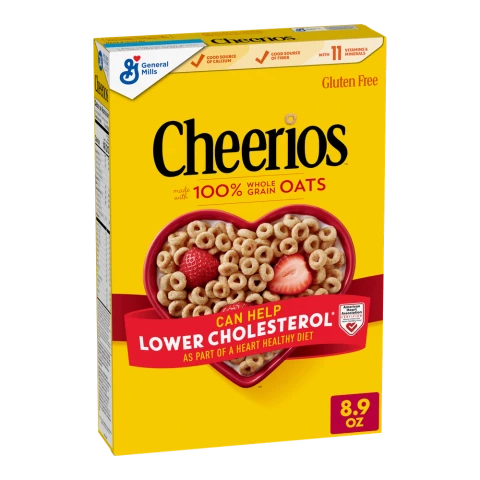
Breakfast
Fortified breakfast cereal
Shown: Original Cheerios cereal
Recognizable fortified-cereal example for breakfast; check the current box label.
See current product page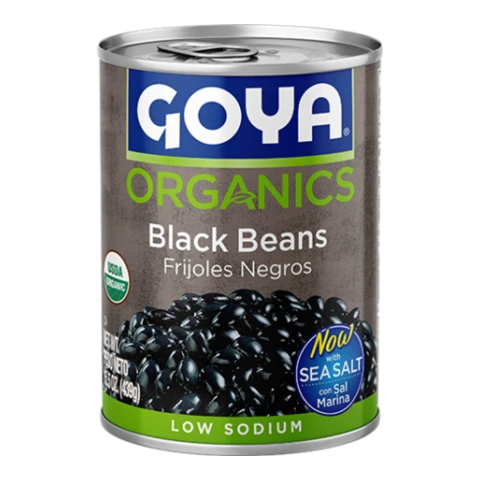
Meal base
Canned black beans
Shown: Goya Organic Black Beans
Canned-bean example for plant-based meals and iron-containing food variety.
See current product page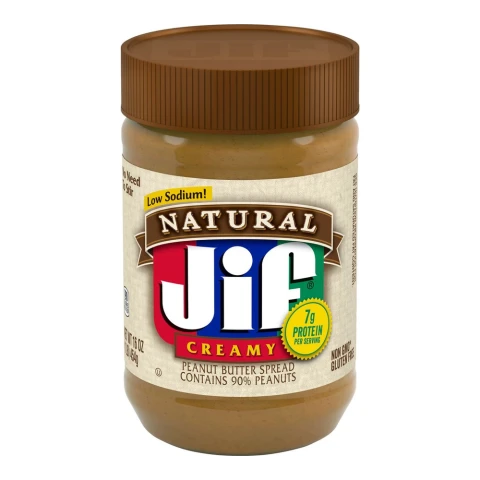
Meal anchor
Peanut butter
Shown: Jif Natural Creamy peanut butter
Peanut-butter example for toast, sandwiches, or a meal component; check allergen needs.
See current product pageBrand names and package images make the examples easier to recognize; no brand is required. See image sources and the rights notice.
Where to go next