

Aspire guide
Specific Populations
Specific Populations manual
Adolescent Runner Nutrition
Nutrition fundamentals for teenage runners balancing school, training, and growth.
Why this matters
Read time
6 min
Audience
Athlete + Coach + Parent
Use it for
Specific Populations
Start here
Growing runners benefit from reliable food access and adults who keep support flexible and calm.
Coach prompt
Which school-day food-access gap can the family or program make easier this week?
Quick reference
Topic snapshot
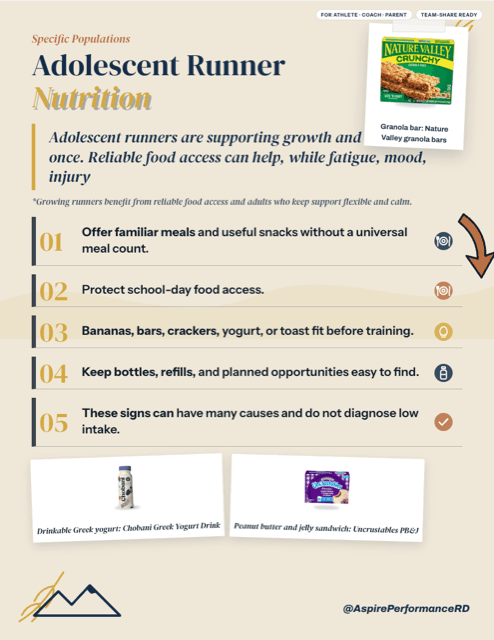
The printed sheet
Read time
6 min
Audience
Athlete + Coach + Parent
Best next move
Use it this week
Which school-day food-access gap can the family or program make easier this week?
Quick reference map
Use the topic like a clear checklist
In the library
Format
Read the topic here, then download the PDF only when you need an offline copy.
Best use
Open the sections you need, then share the same topic link with coaches, parents, or athletes.
Recognizable options
What this can look like at the store
These are familiar examples, not a required shopping list. Use the food category to find an option that fits your athlete, budget, and allergy needs.
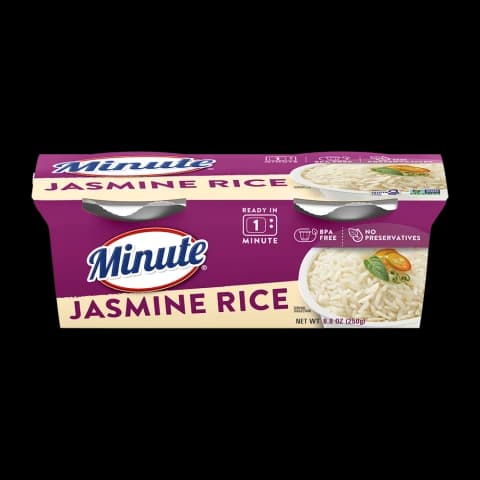
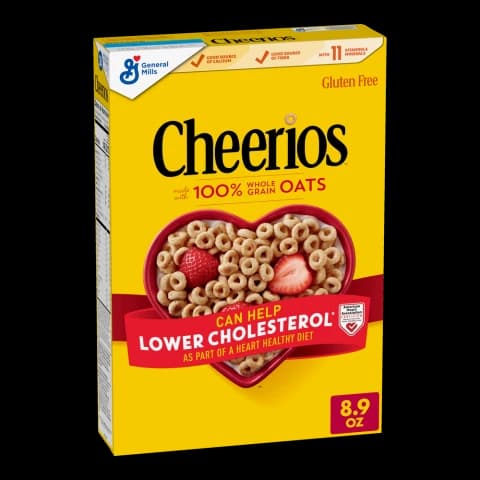
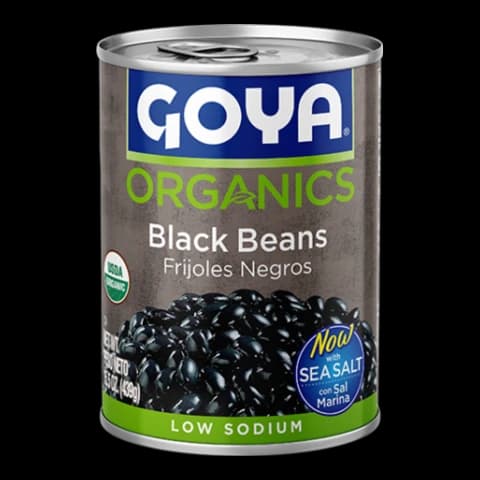
Brands are shown only as concrete examples, not endorsements. Ingredients, labels, and availability can change; check the current package for allergens and fit. Image sources and rights notice.
Quick start
Start here
Nutrition fundamentals for teenage runners balancing school, training, and growth.
Daily structure
Build reliable food access across the athlete's day
- Offer familiar meals and useful snacks without a universal meal count.
- Protect school-day food access.
Before practice
Use simple carbs if the school day ran long
- Bananas, bars, crackers, yogurt, or toast fit before training.
- Offer choices without forcing food or using practice as a test.
Hydration
Water bottle habits should be taught, not assumed
- Keep bottles, refills, and planned opportunities easy to find.
- Invite comfortable drinking without quotas or public checks.
Context
Overview
High school runners are balancing training, growth, school, sleep, transportation, food access, culture, and family schedules. Their needs are individual, and a coach cannot infer nutrition status from appearance, mood, one workout, or one meal.
The useful question is whether the athlete has enough familiar food and fluid opportunities across the day. When access is inconsistent, improve the environment without policing portions or making performance promises.
1. Make an early option available
Breakfast is one possible early fueling opportunity, not a compliance test. Low morning appetite is real, and some athletes do better with a drink, a small food, or an option packed for later.
- toast and peanut butter
- cereal and milk
- yogurt and fruit
- bagel, waffle, or oatmeal plus something with protein
Keep the amount flexible and ask what the athlete tolerates. Persistent low appetite, pain, nausea, or a shrinking range of accepted foods belongs in a private conversation with a parent or guardian and qualified clinician.
Unlock the rest of the manual
Full access opens every section and the ebook PDF.
Evidence
References
The sources behind this topic, so you can look up the originals.
- 1.Desbrow B. Youth Athlete Development and Nutrition. Sports Med. 2021;51(Suppl 1):3-12.
- 2.Gibbs RL, Becker TB. General and sport-specific nutrition knowledge and behaviors of adolescent athletes. J Int Soc Sports Nutr. 2025;22(1):2477060.
- 3.Thomas DT, Erdman KA, Burke LM. Position of the Academy of Nutrition and Dietetics, Dietitians of Canada, and the American College of Sports Medicine: Nutrition and athletic performance. J Acad Nutr Diet. 2016;116(3):501-528.
- 4.Mountjoy M, Ackerman KE, Bailey DM, et al. IOC consensus statement on Relative Energy Deficiency in Sport (REDs): 2023 update. Br J Sports Med. 2023;57(17):1073-1097.
What to do next
Use it this week
Which school-day food-access gap can the family or program make easier this week?
Source topics
adolescent • teenage • growth • school schedule