Aspire guide
Female Athletes
Female Athletes manual
Body Composition vs Scale Weight
Why the number on the scale doesn't tell the full performance story.
Why this matters
Read time
3 min
Audience
Athlete + Coach
Use it for
Female Athletes
Start here
The scale is not the athlete's performance story.
Coach prompt
Replace one weight-focused question with a readiness-focused one the next time an athlete struggles.
Quick reference
Topic snapshot

The printed sheet
Read time
3 min
Audience
Athlete + Coach
Best next move
Use it this week
Replace one weight-focused question with a readiness-focused one the next time an athlete struggles.
Quick reference map
Use the topic like a clear checklist
In the library
Format
Read the topic here, then download the PDF only when you need an offline copy.
Best use
Open the sections you need, then share the same topic link with coaches, parents, or athletes.
Recognizable options
What this can look like at the store
These are familiar examples, not a required shopping list. Use the food category to find an option that fits your athlete, budget, and allergy needs.
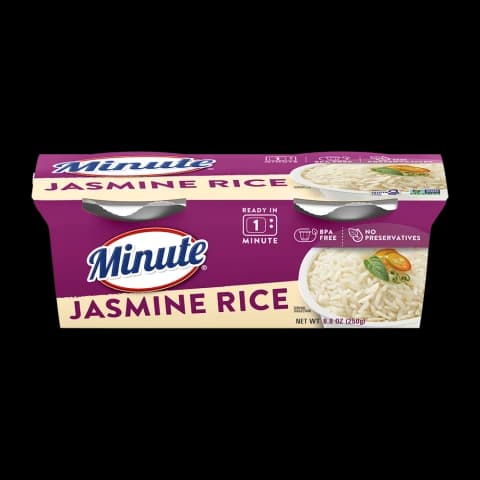
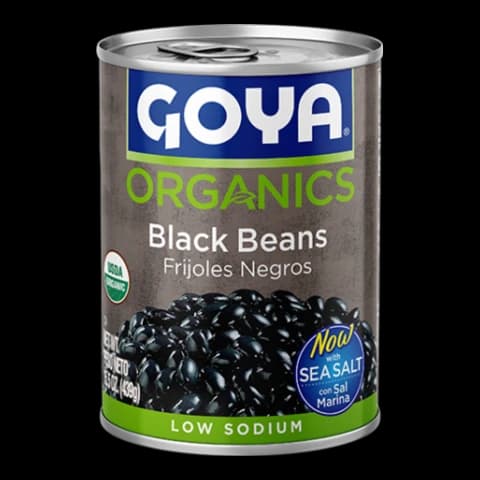
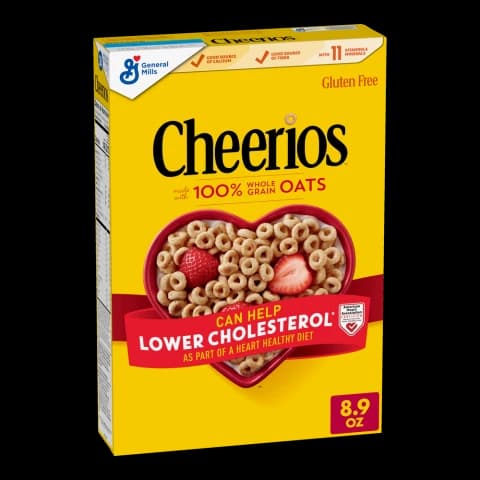
Brands are shown only as concrete examples, not endorsements. Ingredients, labels, and availability can change; check the current package for allergens and fit. Image sources and rights notice.
Quick start
Start here
Why the number on the scale doesn't tell the full performance story.
Core issue
Scale weight mixes muscle, hydration, gut content, hormones, and normal daily fluctuation
- A single weigh-in can move without saying anything useful about fitness.
- Athletes overreact to normal variation faster than adults do.
Coaching risk
Weight-focused language often drives restriction before it drives performance
- Public weigh-ins and casual comments can trigger food anxiety.
- Young athletes can be harmed when feedback is tied to body size.
Better markers
Readiness markers beat scale data for most coaching decisions
- Training quality, recovery, sleep, cycle regularity, injury, mood.
- If those markers improve, the athlete is moving the right direction.
Context
Overview
A scale number does not tell a coach whether an athlete is healthy, adequately fueled, ready to compete, or suited to an event. Body composition is not a team performance metric, and weigh-ins are not a nutrition teaching tool.
The safer standard is simple: coach the training, protect food access, keep body judgment out of the environment, and route individualized health questions to qualified care.
What the team can control
- Training design and appropriate recovery days
- Food and drink access around school, practice, and travel
- Clear policies against body comments and food shaming
- Private ways for athletes to ask for help
- A family, athletic-trainer, physician, and sports-dietitian referral path
None of those require a body measurement.
Unlock the rest of the manual
Full access opens every section and the ebook PDF.
Evidence
References
The sources behind this topic. Where a citation carries a link, it opens the record so you can check the original.
- 1.Mountjoy M, Ackerman KE, Bailey DM, et al. IOC consensus statement on Relative Energy Deficiency in Sport (REDs): 2023 update. Br J Sports Med. 2023;57(17):1073-1097.DOI 10.1136/bjsports-2023-106994
- 2.Weiss Kelly AK, Hecht S; American Academy of Pediatrics Council on Sports Medicine and Fitness. The female athlete triad. Pediatrics. 2016;138(2):e20160922.PubMed 27432847
What to do next
Use it this week
Replace one weight-focused question with a readiness-focused one the next time an athlete struggles.
Source topics
body composition • weight • scale • muscle • fat