

Aspire guide
Parent Resources
Parent Resources manual
Twins, Siblings, and Teammates: Why Two Athletes Can't Eat the Same Way
A body-neutral family guide to shared meals, self-selected portions, different schedules and preferences, food access, and individualized medical nutrition needs.
Why this matters
Two athletes can share a home, a team, and even the same workout without needing identical plates.
Recognizable options
What this can look like at the store
These are familiar examples, not a required shopping list. Use the food category to find an option that fits your athlete, budget, and allergy needs.
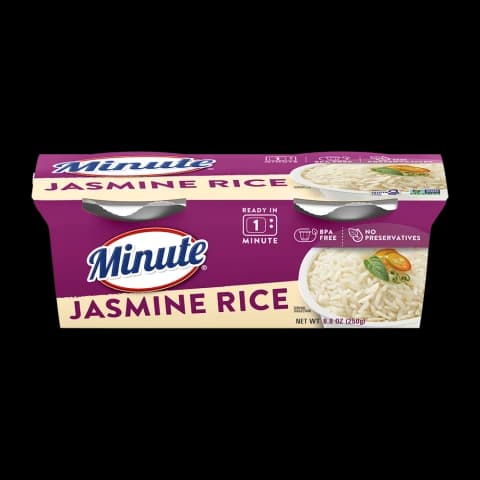
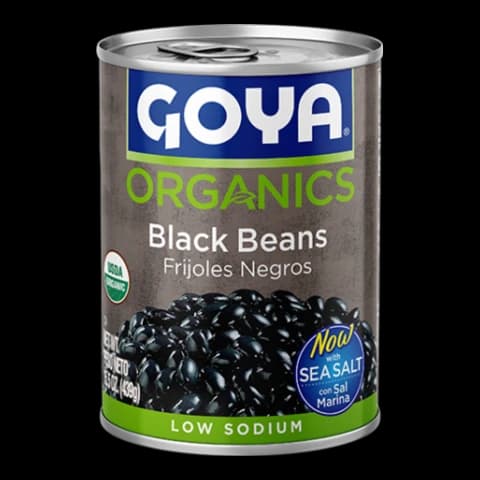
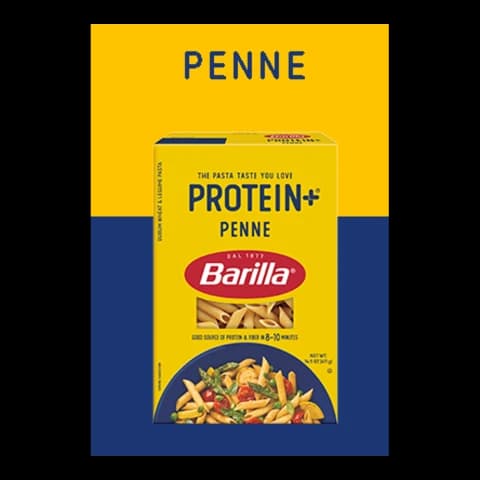
Brands are shown only as concrete examples, not endorsements. Ingredients, labels, and availability can change; check the current package for allergens and fit. Image sources and rights notice.
Quick start
Start here
A body-neutral family guide to shared meals, self-selected portions, different schedules and preferences, food access, and individualized medical nutrition…
Different days
Schedule, hunger, tolerance, and access can make two plates look different
- Practice time, travel, hunger, and food access can make plates differ.
- Appetite, culture, allergies, GI tolerance, and access matter too.
Individual care
Some differences belong to a family-and-clinician plan
- Medical, allergy, recovery, or food concerns may change the meal.
- Keep health details private; family and clinician own the plan.
Best system
Serve one meal with scalable pieces
- Use a main carb, a protein, produce, and optional add-ons at dinner.
- Let each athlete build a plate that fits the day they had.
Context
Overview
Two athletes can share a home, a team, and even the same workout without needing identical plates. Growth, appetite, health, sleep, training, food tolerance, culture, and personal preference all vary.
The answer is not to assign portions by sex, body size, event group, or comparison with a sibling. It is to serve a flexible meal, keep enough food available, let each person respond to hunger and training, and use qualified care for individualized medical needs.
One family meal, flexible choices
Build dinner from components:
- carbohydrate base: rice, pasta, potatoes, bread, tortillas, couscous, oats, or another family staple;
- protein options: beans, lentils, tofu, eggs, dairy or fortified alternatives, fish, poultry, or meat;
- produce: fresh, frozen, canned, or cooked vegetables and fruit;
- flavor and energy add-ons: sauce, salsa, cheese, avocado, olive oil, nuts, seeds, or culturally familiar toppings.
Everyone can begin with what feels manageable and return for more. Avoid measuring, labeling one plate “too much,” or telling one child to copy another.

Unlock the rest of the manual
Full access opens every section and the ebook PDF.
Evidence
References
The sources behind this topic. Where a citation carries a link, it opens the record so you can check the original.
- 1.Thomas DT, Erdman KA, Burke LM. Nutrition and Athletic Performance. Med Sci Sports Exerc. 2016;48(3):543-568.PubMed 26891166
- 2.Mountjoy M, et al. 2023 International Olympic Committee consensus statement on Relative Energy Deficiency in Sport. Br J Sports Med. 2023;57:1073-1097.DOI 10.1136/bjsports-2023-106994
What to do next
Use it this week
Put the main components on the table.
Related tool
Parent Night Playbook
Use the reviewed family-facing structure for the conversation.
Open the parent-night playbookSource topics
family athlete nutrition • sibling athletes • different sport nutrition needs • household meal planning • athlete food preferences • body neutral family meals